
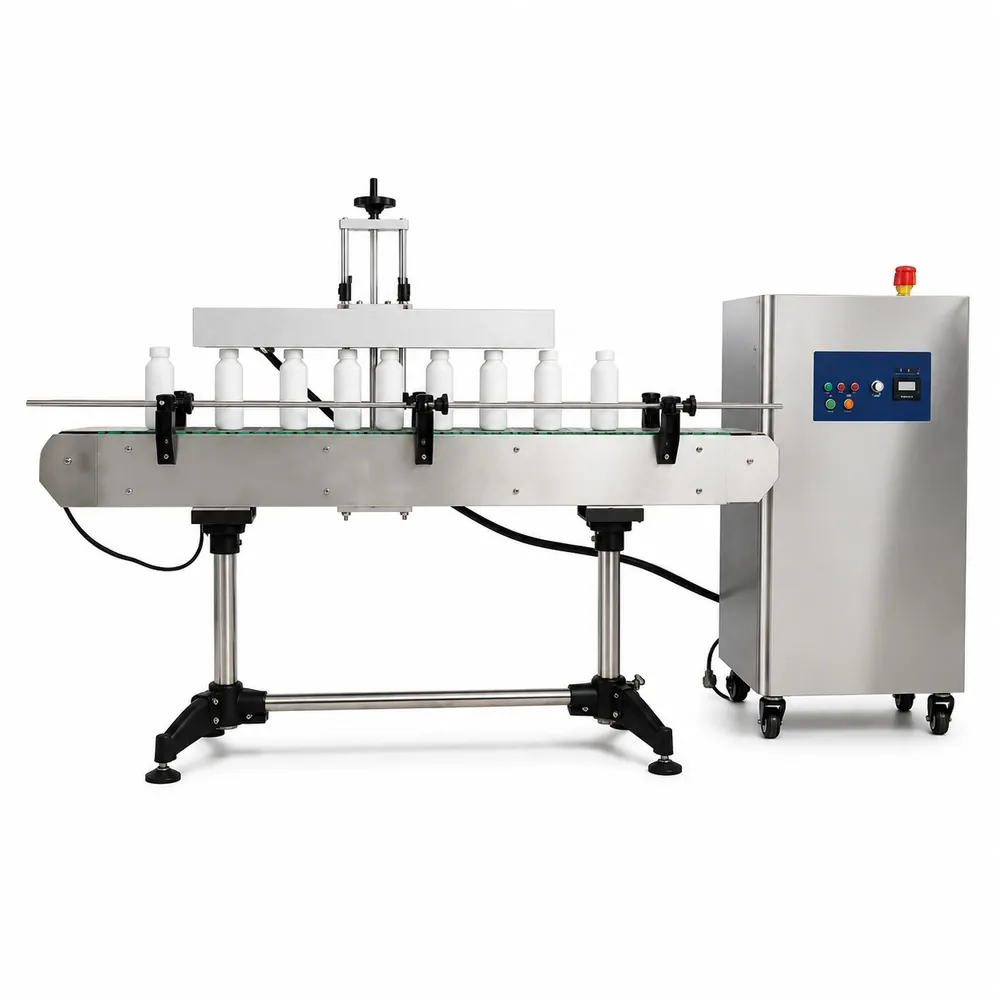
AT-4000 Induction Foil Sealing Machine
AT-4000 is a continuous induction foil sealing machine for a matched container, cap and liner combination.
View details →Equipment by application
AT-4000 is a continuous induction foil sealing machine for a matched container, cap and liner combination.
View details →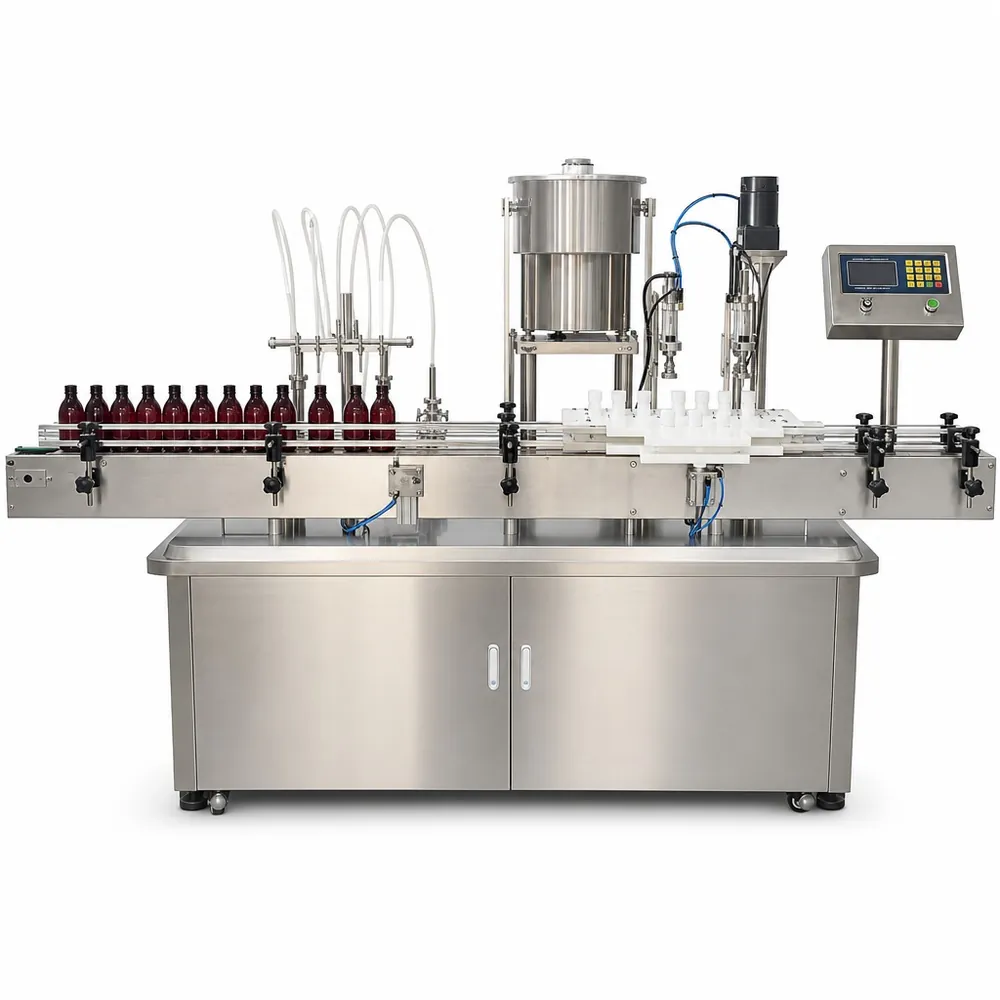
AT-GX-4Y combines liquid filling and screw capping in a compact machine configuration.
View details →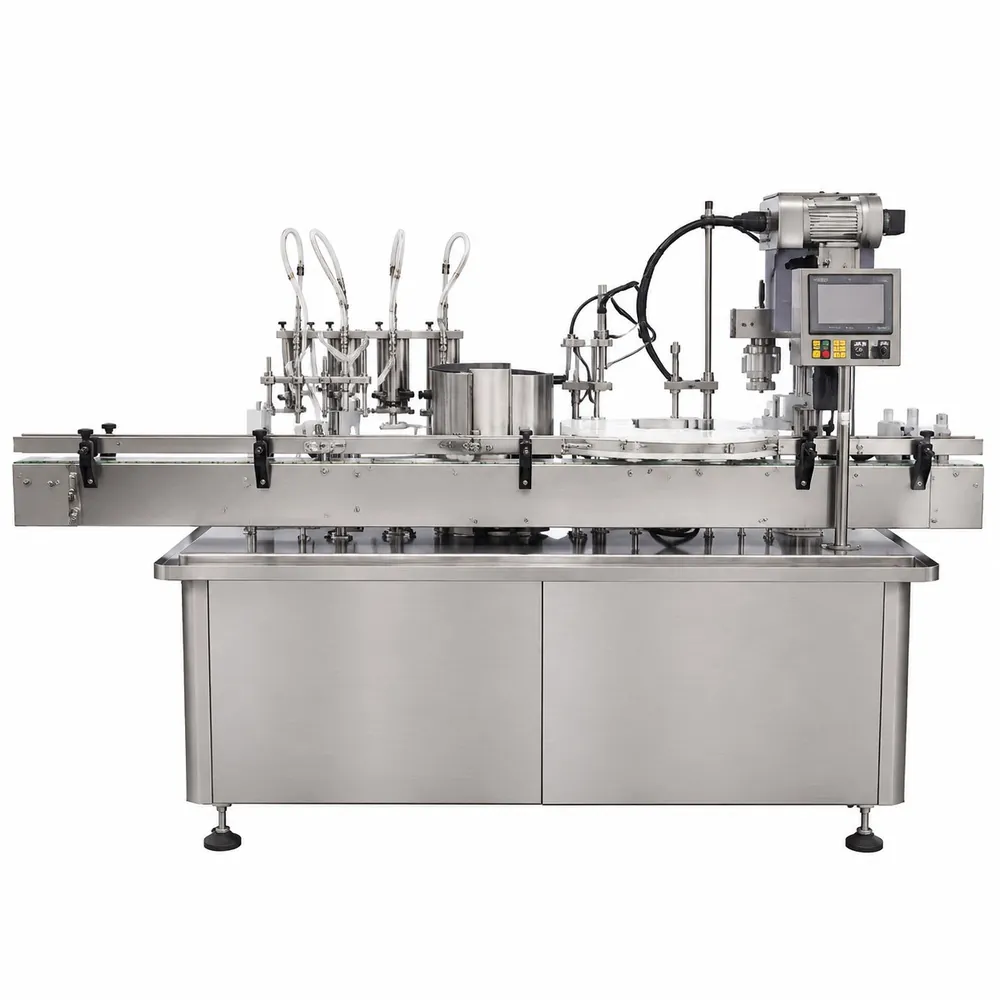
AT-GYS-4Y combines filling, inner-plug pressing and lid locking. Pack format / Container: Bottles, Case, Cans, Jar.
View details →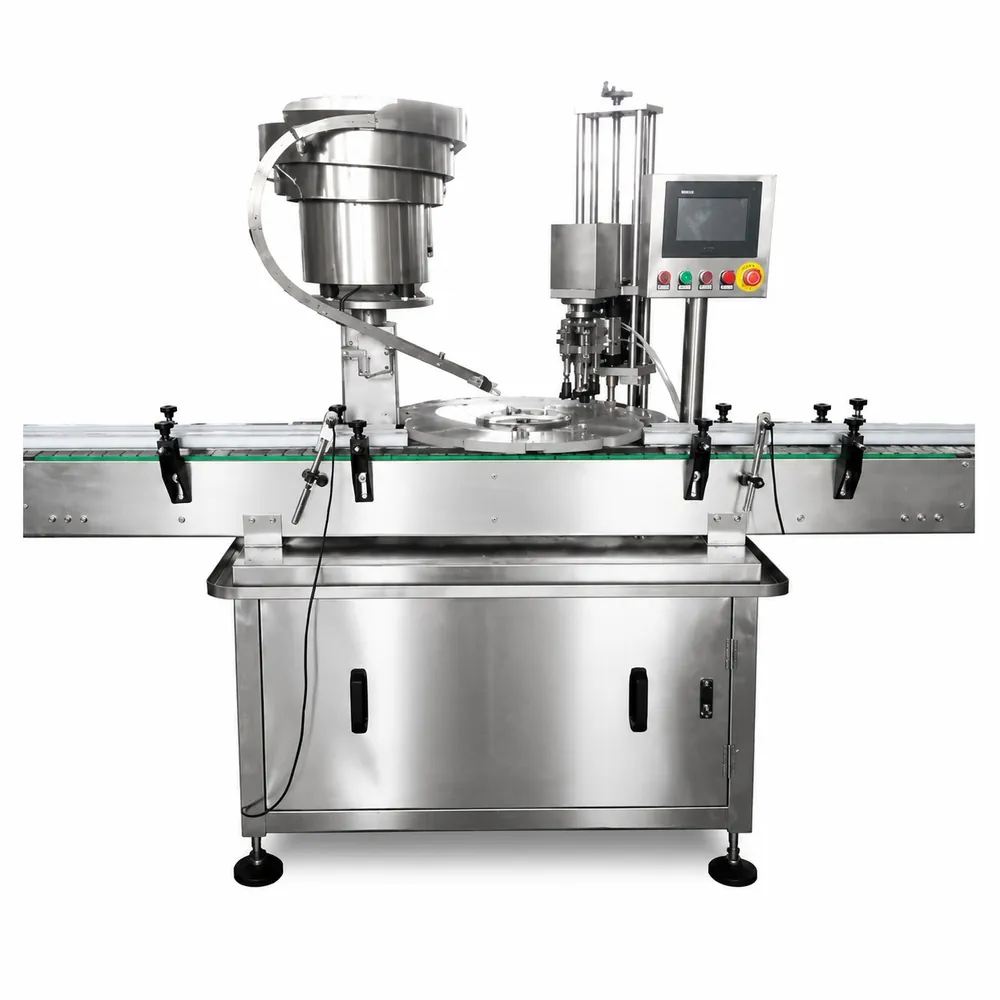
AT-SG is an automatic capping configuration with a three-knife sealing mechanism for suitable metal caps.
View details →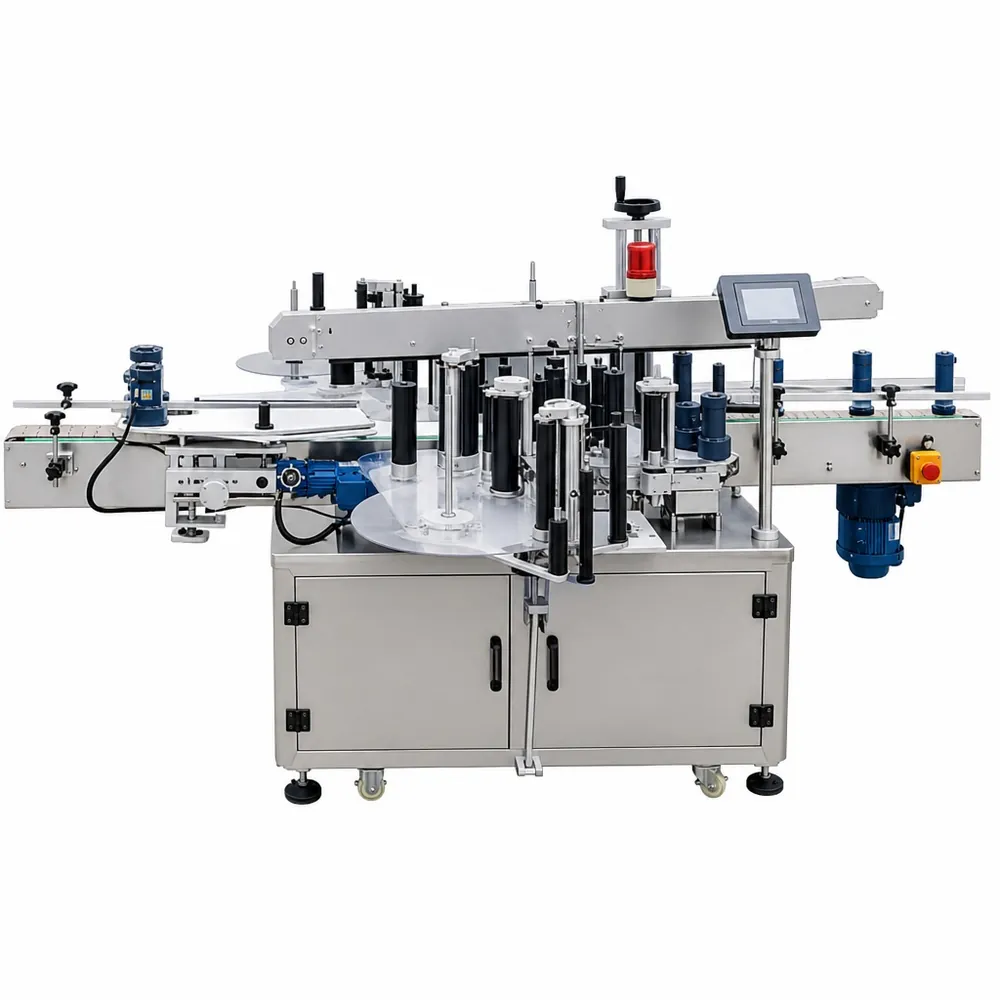
AT-TB-SM applies self-adhesive labels to two sides of suitable containers. Pack format / Container: Bottles.
View details →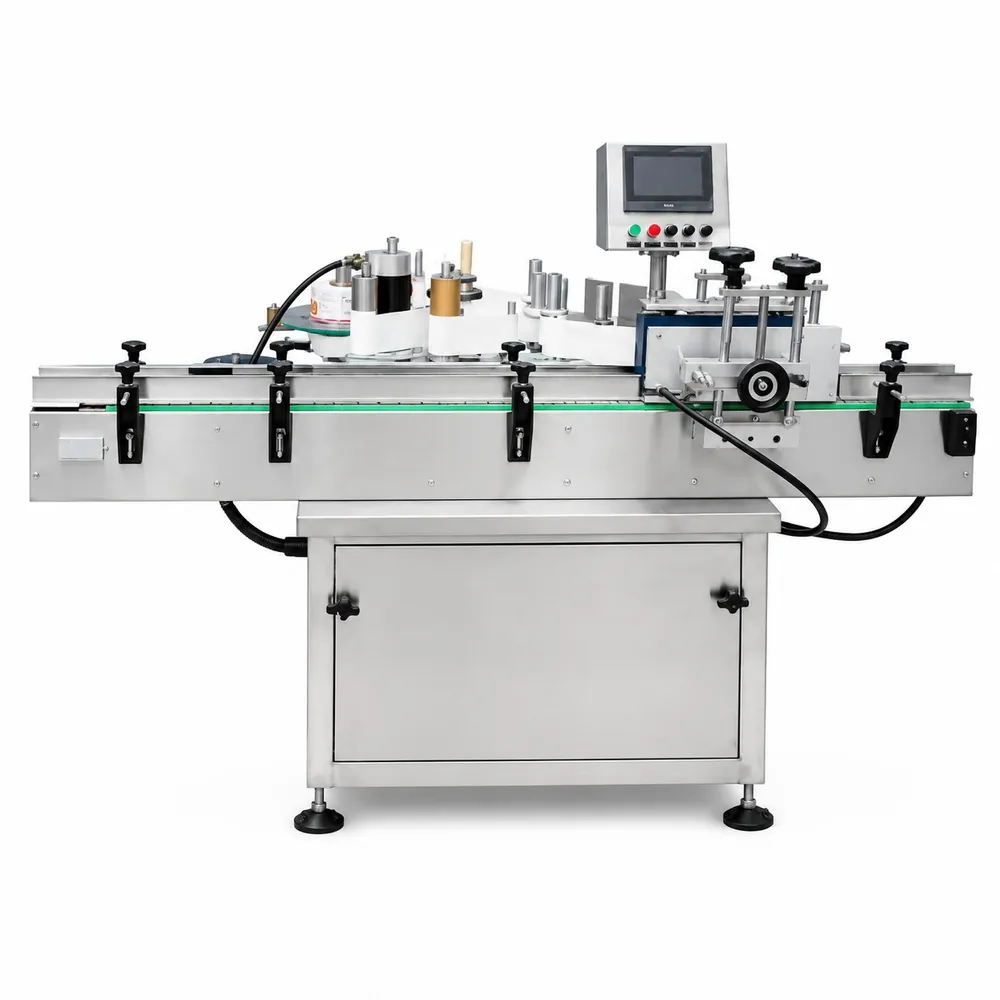
AT-TB-YP is an automatic vertical labeling configuration for round bottles. Pack format / Container: Bottles, Cans, Jars.
View details →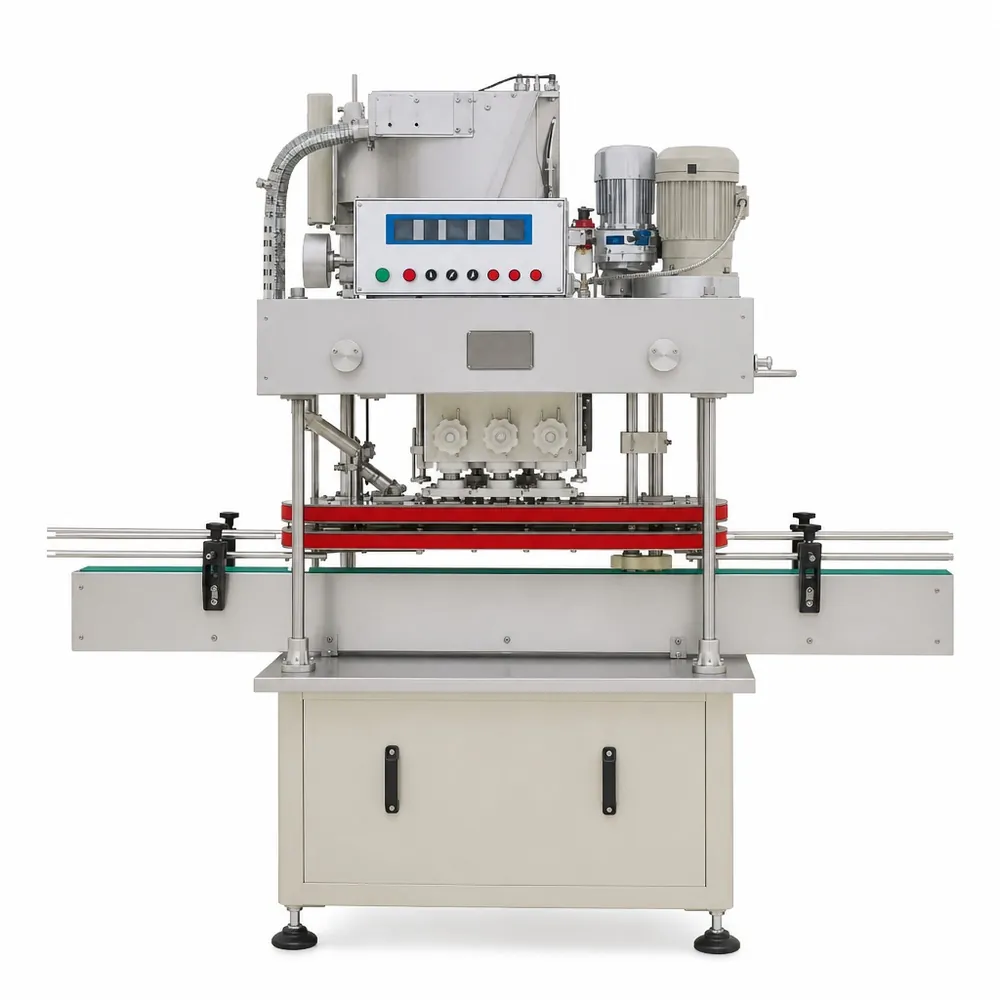
AT-XG uses a belt capping arrangement to apply closure torque in a continuous container-handling process.
View details →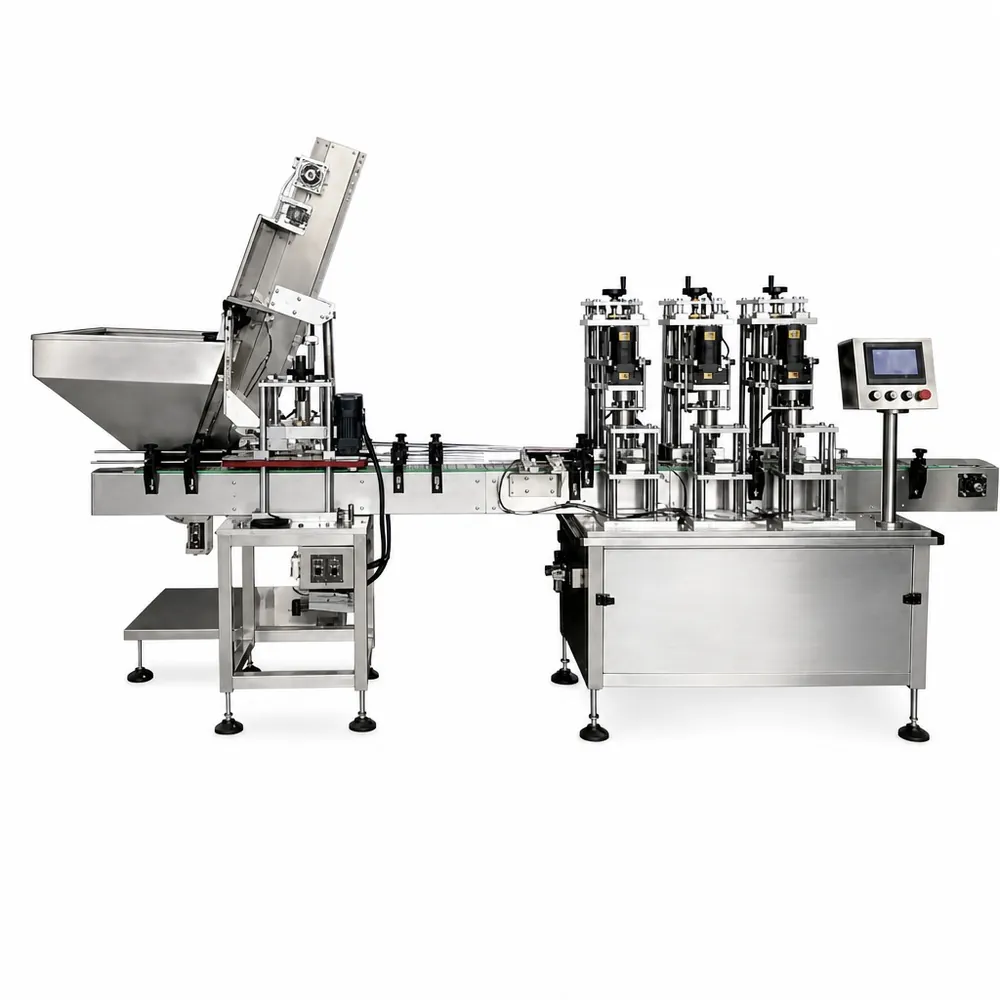
AT-XG-ZK combines vacuum capping with a matched bottle or jar closure configuration.
View details →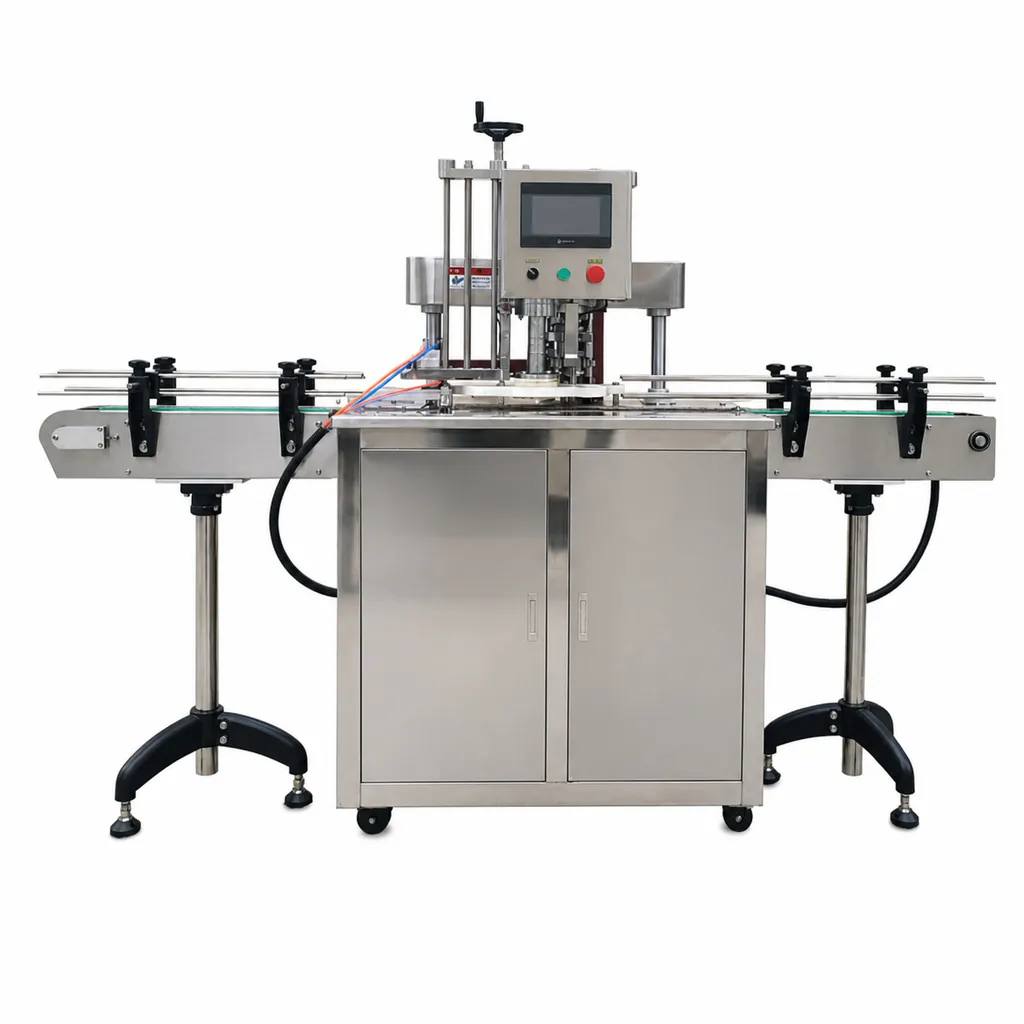
HC-1035 is an automatic can seaming machine. Packaging: Cans; Easy-open cans; Metal cans; Plastic canisters. Specifications include 150 W / 220 V; 110 V; Customizable, Confirm target output and acceptance conditions for final configuration., and 1 unit. Contact MUJIU to confirm the configuration for your application.
View details →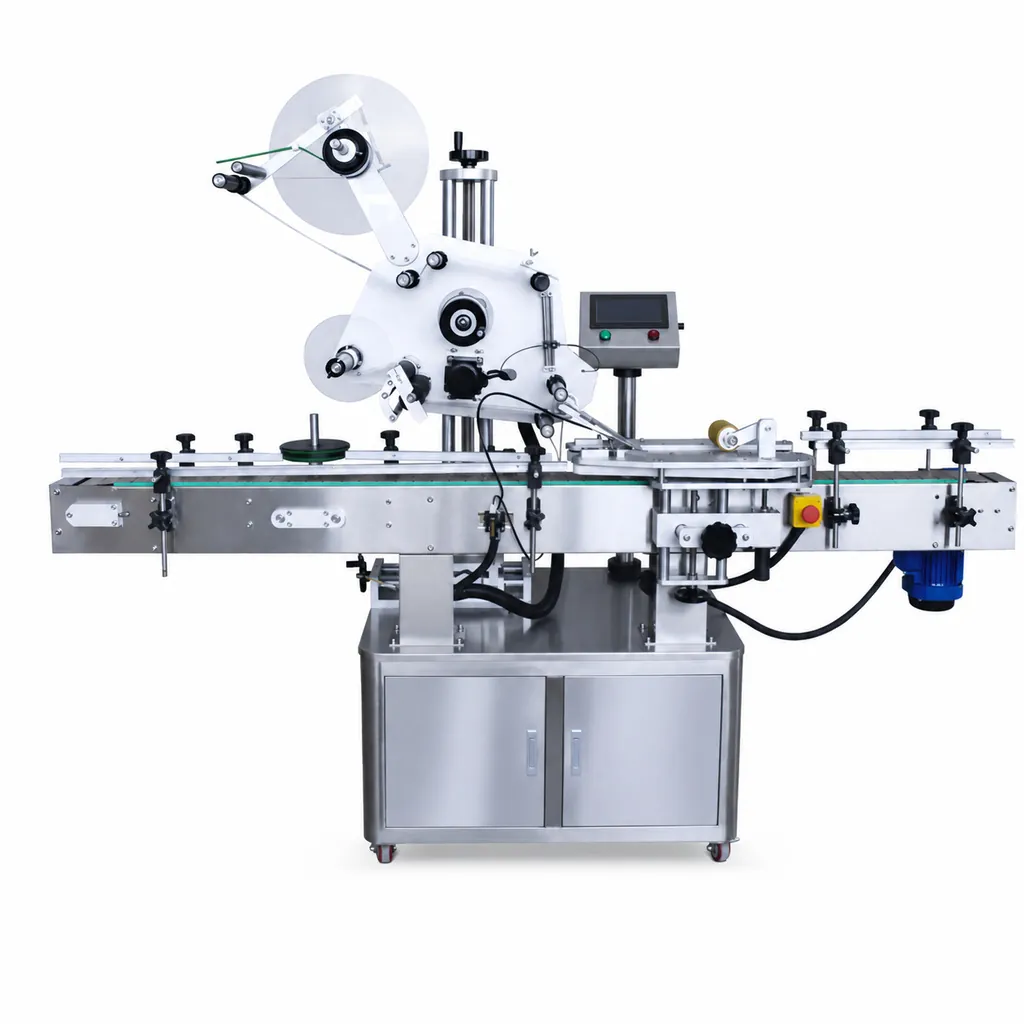
HC-150 is a flat-surface labeling machine. Packaging: Cartons; Flat Pouches; Cards. Specifications include 1.5kW / 110 V; 220 V; Customizable, 60 -350 pcs/min, and 1 unit. Contact MUJIU to confirm the configuration for your application.
View details →Selection before specification
Capping, labeling and sealing machines are selected against the real container, closure, label and upstream handling—not nominal diameter alone.
Selection guide
Share your material, package and output target to narrow the configuration.
Provide real containers with dimensions, tolerances, shape, stability and orientation.
Record cap, plug, liner, label or seal material, dimensions and application direction.
Define torque, seal, label position or visual acceptance and the sample method.
Confirm infeed, spacing, sensors, discharge, speed coordination and operator involvement.
Supply boundary
Common selection errors
Procurement FAQ
Small differences in shape, thread, liner, stiffness, label stock and stability can change feeding, torque, seal or label placement.
A range can be considered only after each format, tooling, change parts and changeover method are confirmed. Untested future formats are not approved compatibility.
Record the actual container and closure or label, setup, run window, rejects, torque or placement method, operator actions and any excluded conditions.
Configuration input
Our team will use these details to recommend equipment for your application.