
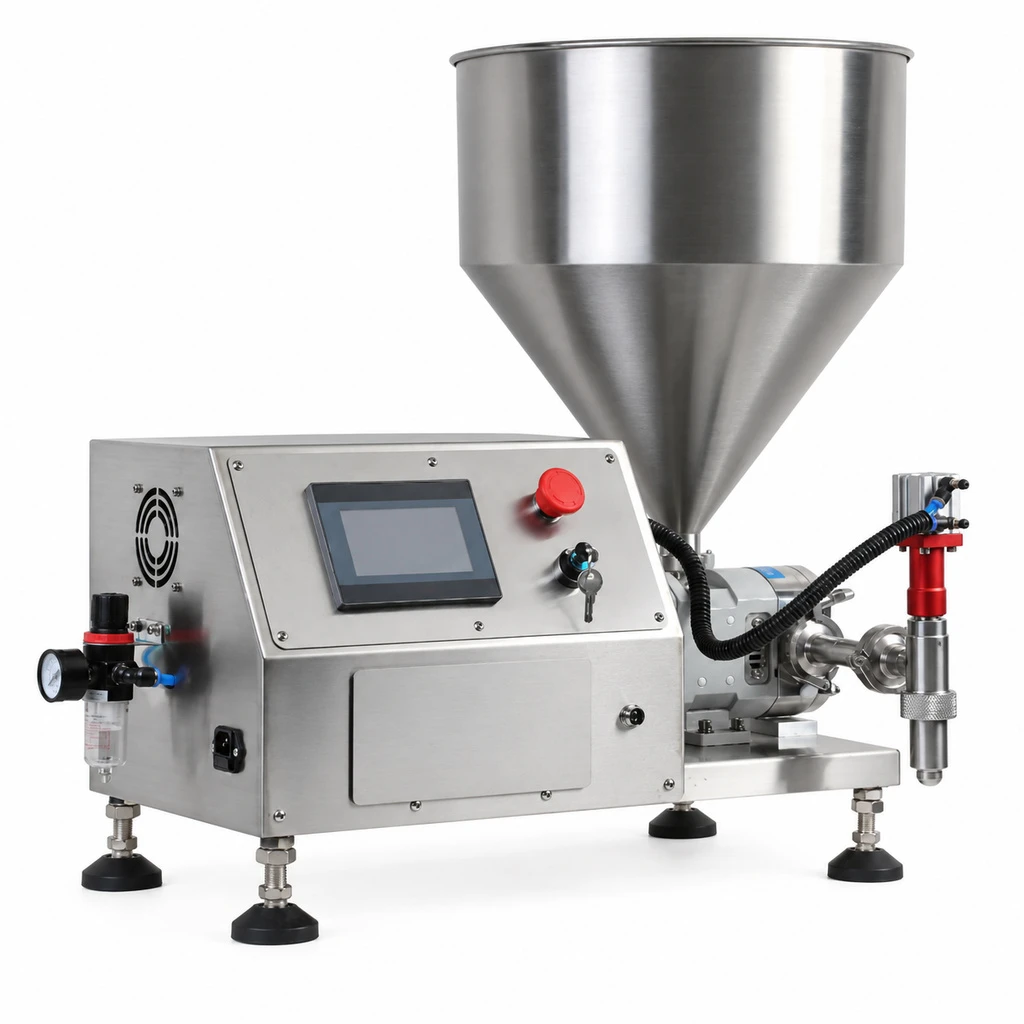
BGZ-1000 Semi-Automatic Rotor Pump Filling Machine
BGZ-1000 Semi-Automatic Rotor Pump Filling Machine for liquid and paste products, using bottles and containers. Hopper feeding supplies a rotor pump for semi-automatic dosing.
View details →Equipment by application
BGZ-1000 Semi-Automatic Rotor Pump Filling Machine for liquid and paste products, using bottles and containers. Hopper feeding supplies a rotor pump for semi-automatic dosing.
View details →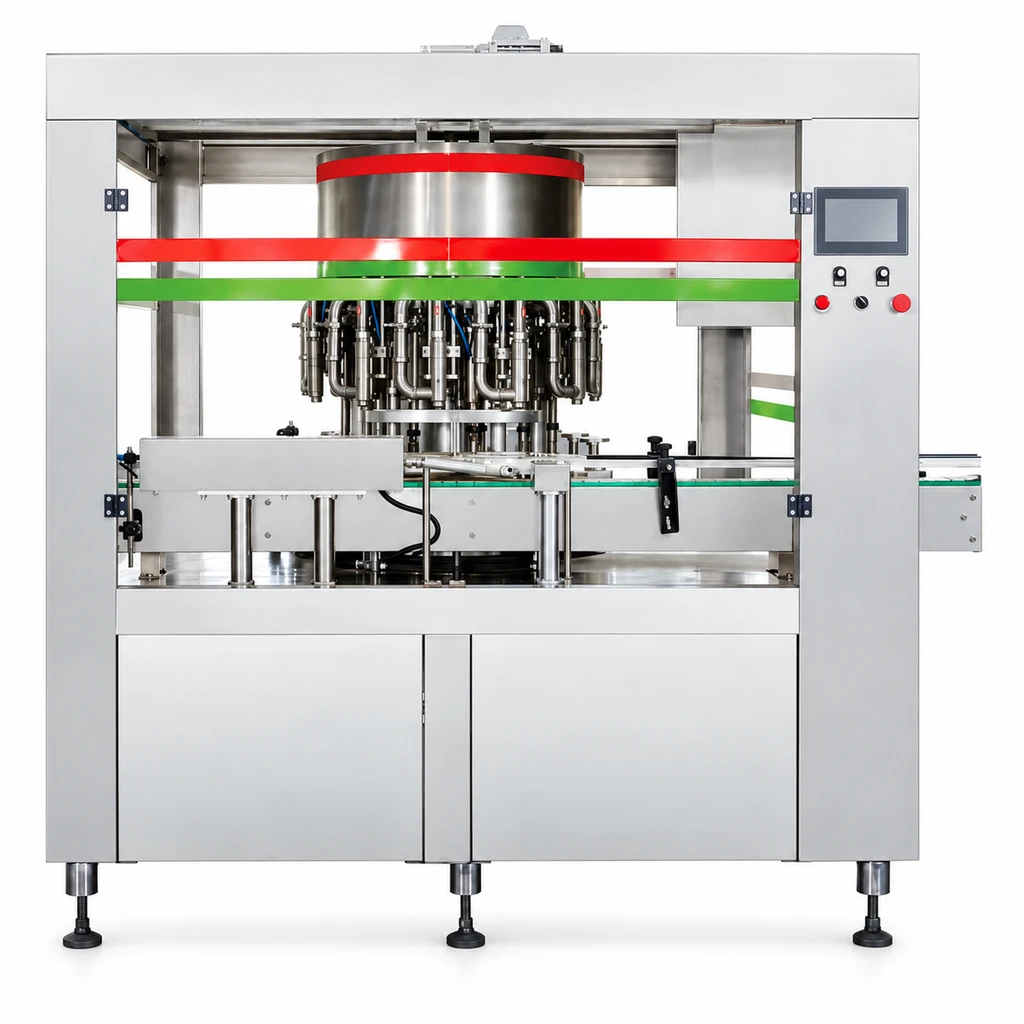
CF-002 Rotary Sauce Filling Machine for bottled sauces, using bottles. Rotary filling with bottle sensing, anti-drip discharge and one-key cleaning.
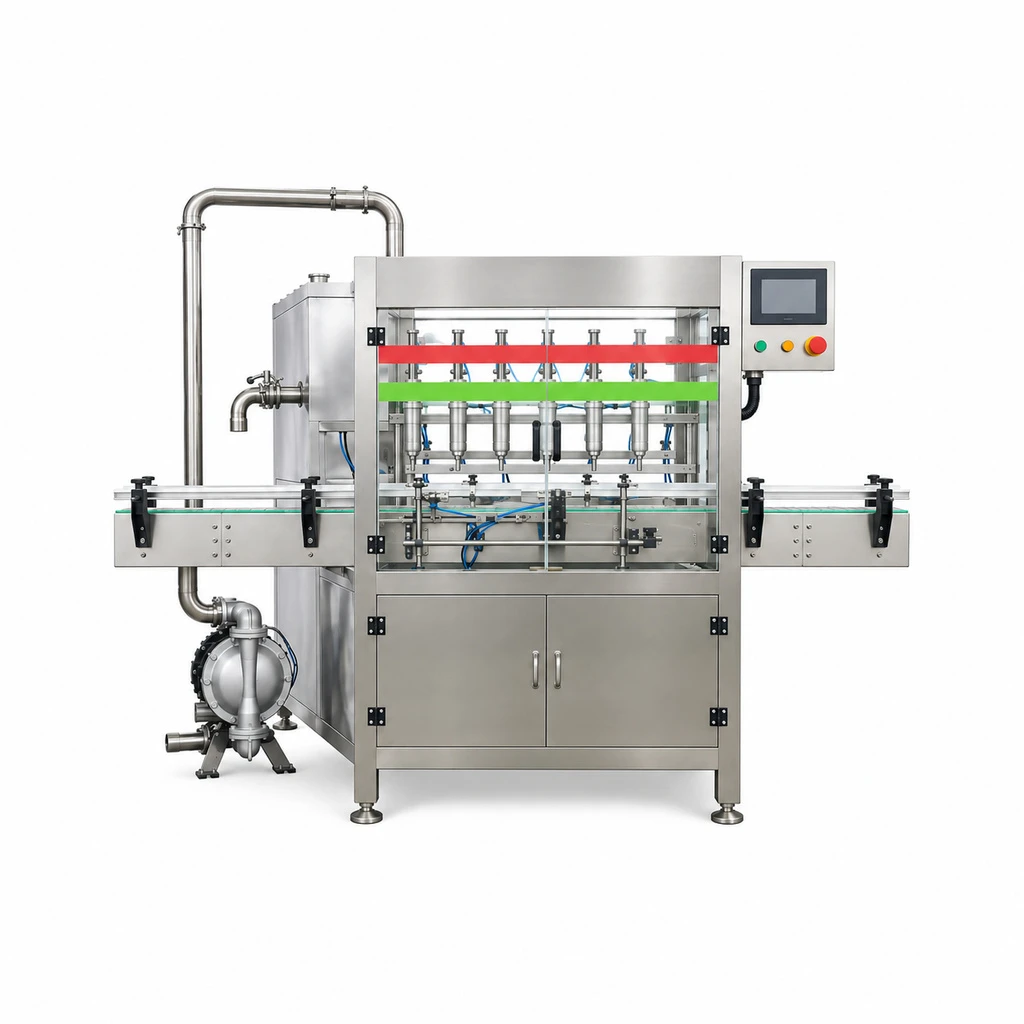
CF-05 Six-Nozzle Paste Filling Machine for paste sauces, detergent, shampoo and shower gel, using bottles. Six inline nozzles fill bottles under PLC and optical-fiber sensor control.
View details →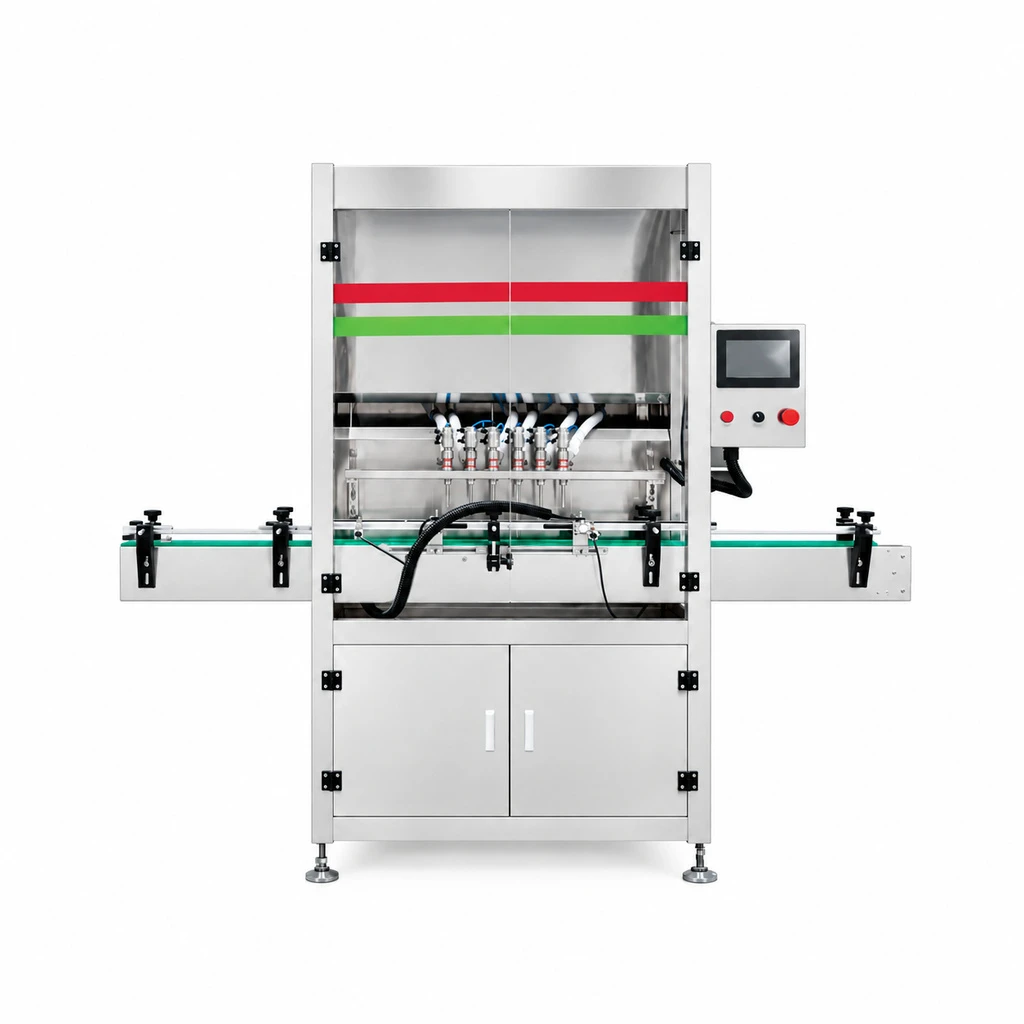
CF-06 Vacuum Level-Controlled Liquid Filling Machine for liquid products, using glass and plastic bottles. The nozzle seals against the bottle mouth, draws liquid under negative pressure and closes after filling.
View details →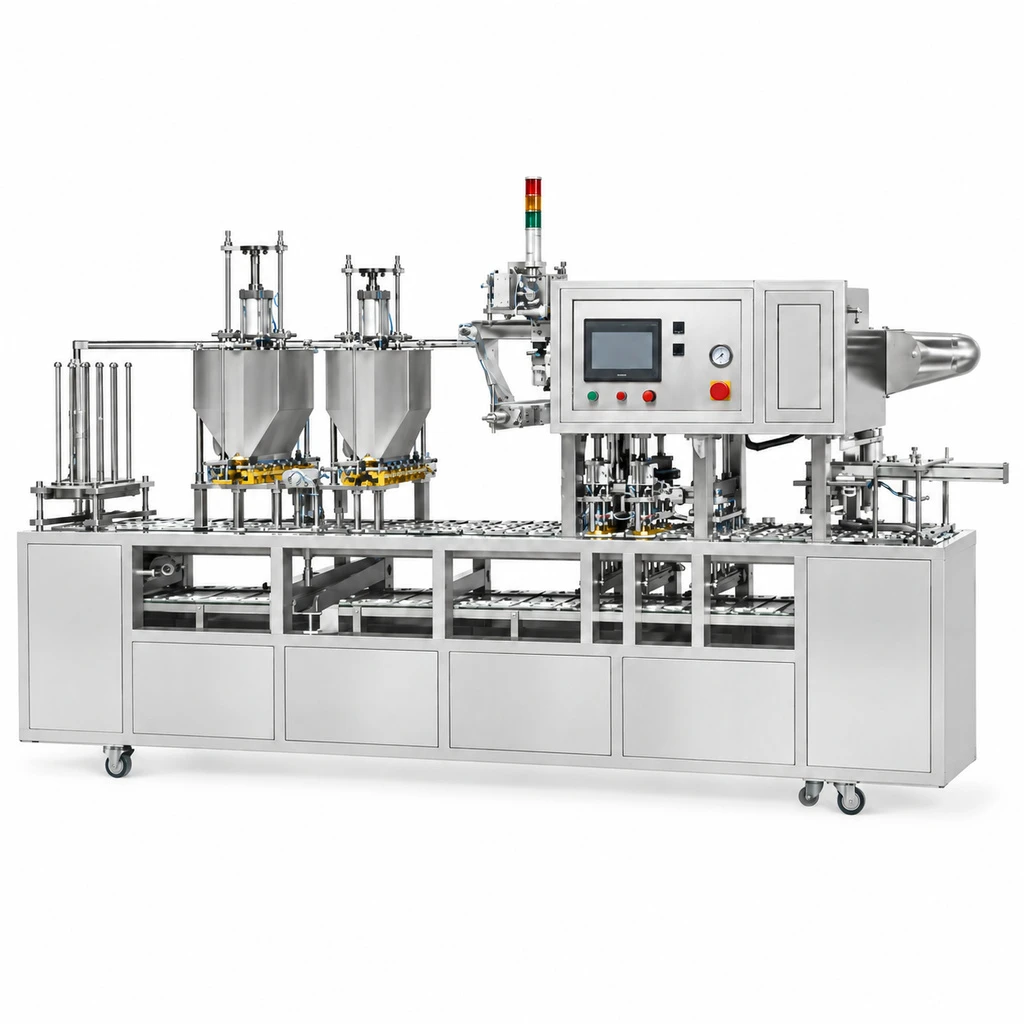
CFD-4 Cup Filling and Film Sealing Machine for jam, chocolate and sauces, using plastic cups, bowls and boxes with sealing film. Container feeding, indexing, filling, film positioning, sealing, cutting and discharge.
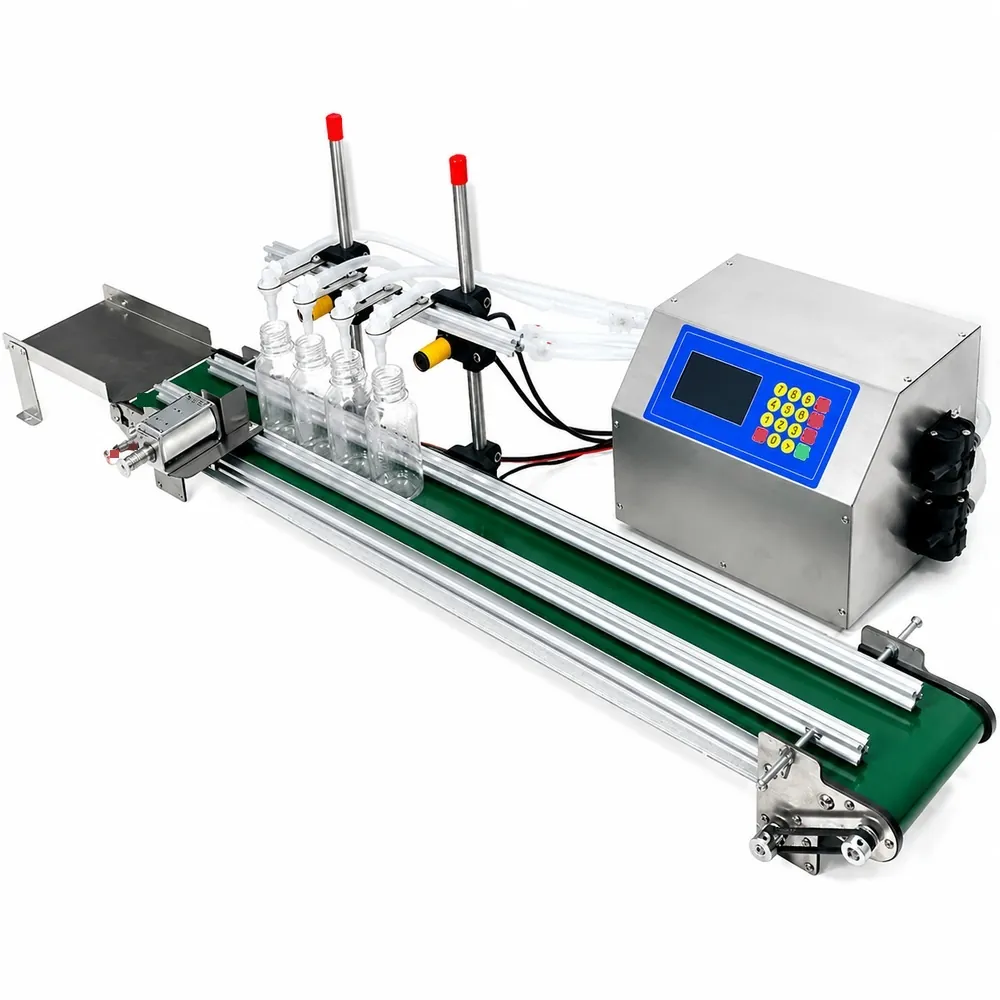
CSY-4H1200 uses four rotary vane pumps for low-viscosity liquid filling. Filling / weighing range: 8ml-300ml.
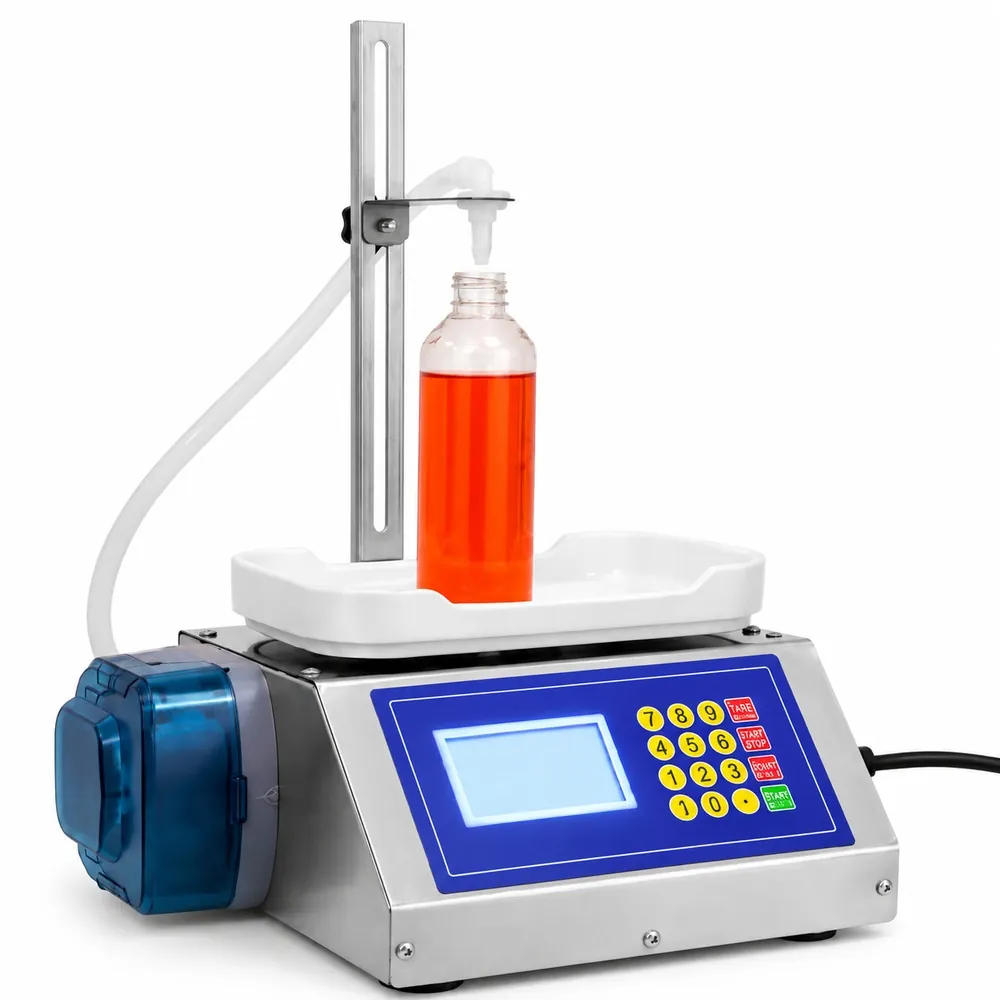
CSY-1200 button-control peristaltic filler. Catalogue recommendation: 2–300 g; viscous liquids have narrower limits. Confirm tubing and filling conditions.
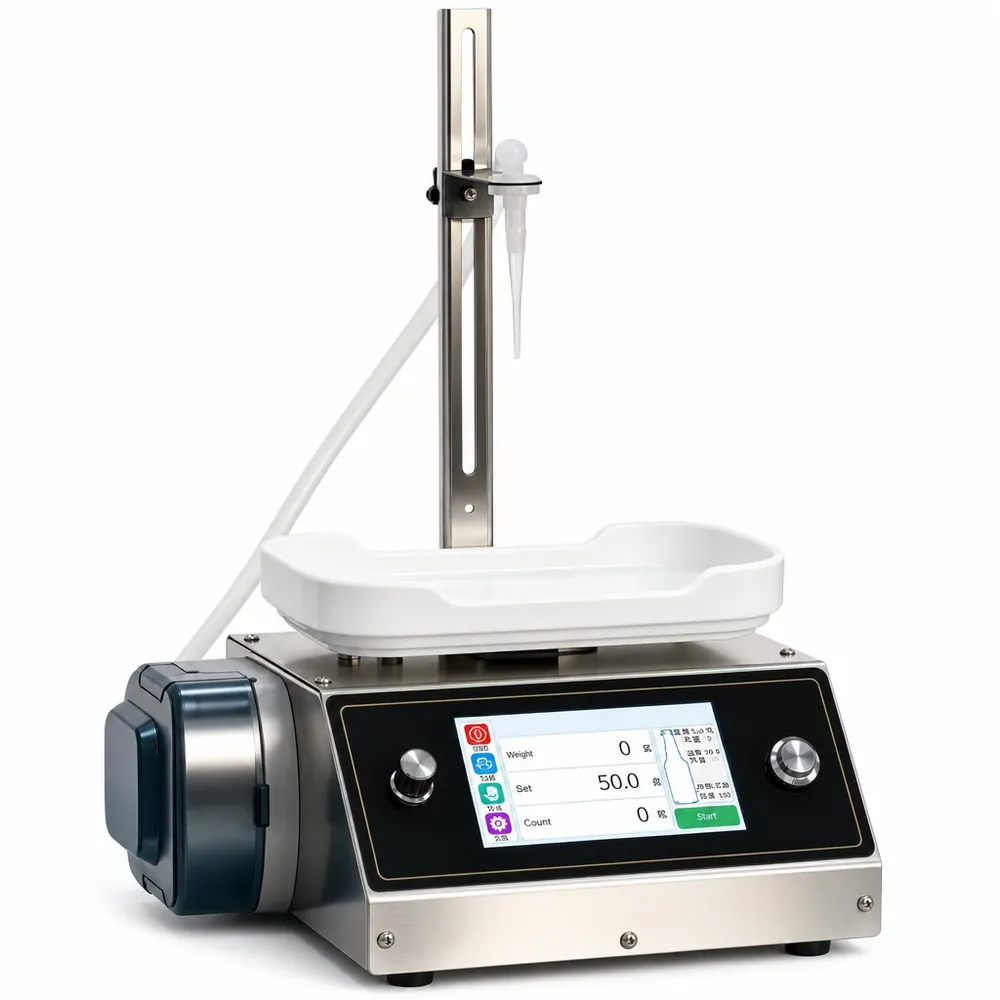
The touchscreen CSY-1200 uses peristaltic-pump dosing for liquid filling. Filling / weighing range: 2–300 g.
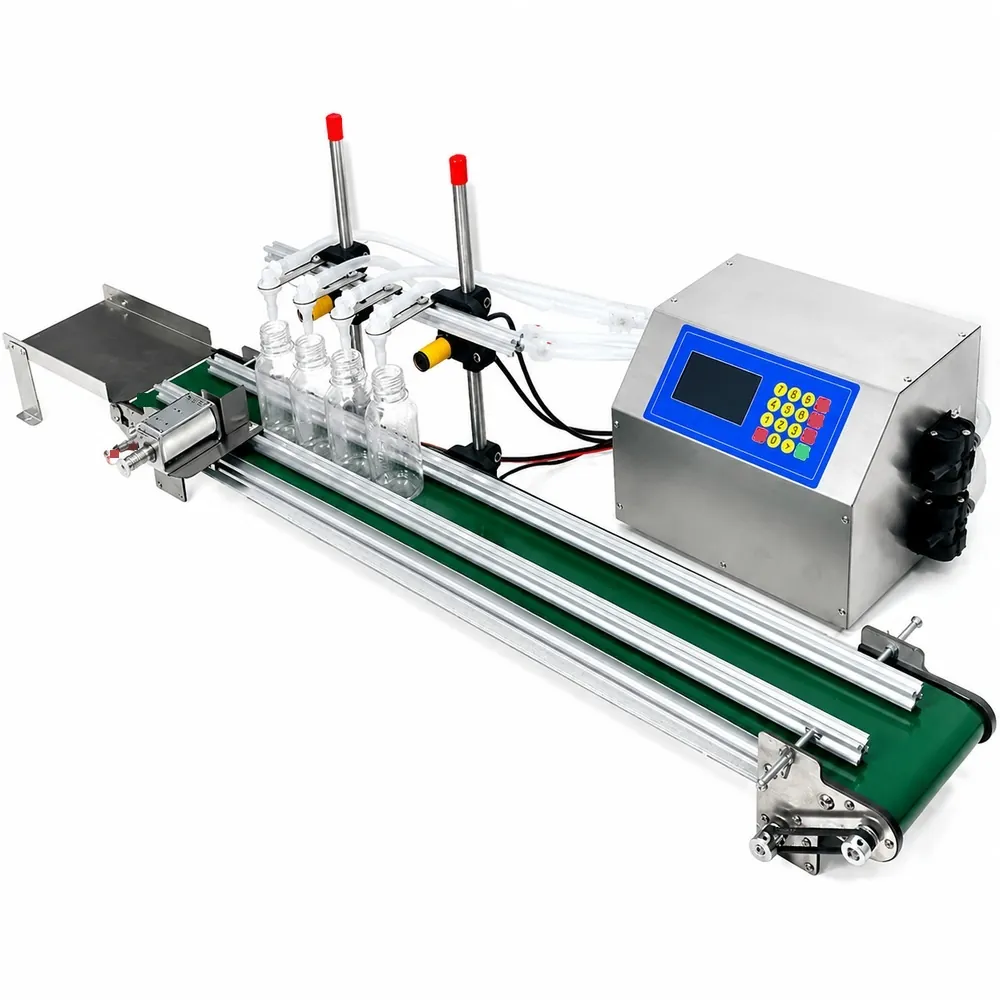
CSY-4H3200 uses four rotary vane pumps for liquid filling. Filling / weighing range: 10ml-500ml.
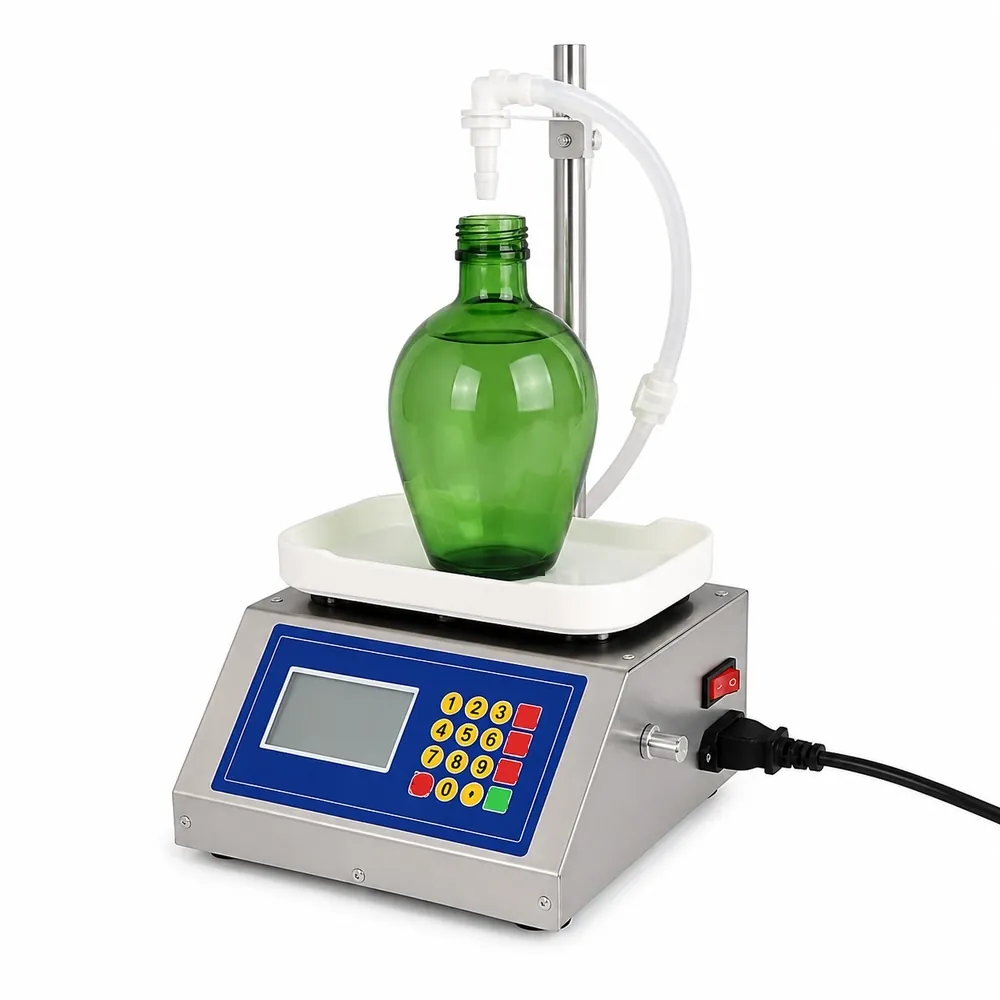
CSY-3200 in the button-control configuration uses rotary-vane-pump dosing for liquid filling.
Selection before specification
Choose a filling method around viscosity, particles, foaming, dose range and container opening—not the machine name alone.
Selection guide
Share your material, package and output target to narrow the configuration.
Record viscosity with temperature, particles, foam, stringing and chemical compatibility.
State whether the dose is net weight (g/kg) or volume (mL/L), plus the minimum, normal and maximum fill. For mass-to-volume comparison, provide density at the filling temperature. Define accepted output and the test method.
Provide actual containers, opening dimensions, stability and any drip-control boundary.
Confirm contact material, cleaning method, changeover, voltage and compressed air.
Supply boundary
Common selection errors
Procurement FAQ
Compare the exact pump or piston, product-contact materials, dose control and cleaning method. Send viscosity at the filling temperature, particles or foam, container opening and target fill. Pump type alone does not establish compatibility; confirm the proposed configuration with representative material.
No. Accepted output depends on the material, container handling, refill, rejects, changeover and the agreed test window. Define those conditions before comparing models.
Provide representative material and the actual container or dimensioned samples. Include the expected temperature, fill range, cap or closure and cleaning requirement.
Configuration input
Our team will use these details to recommend equipment for your application.