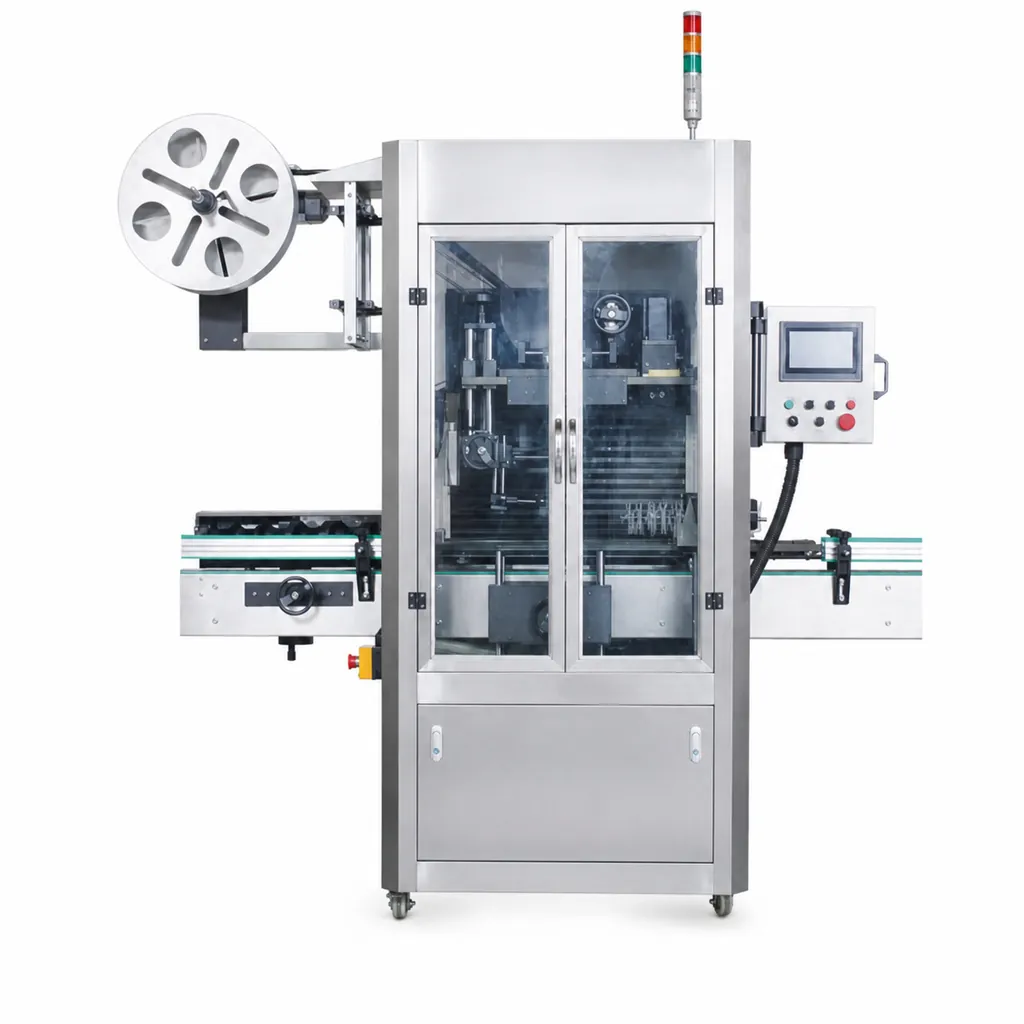
HC-150B is an automatic shrink sleeve labeling machine. Packaging: Bottles. Specifications include 2.0kW / 380 V; 220 V; Customizable, 150 bottles/min, and 1 unit. Contact MUJIU to confirm the configuration for your application.
View details →
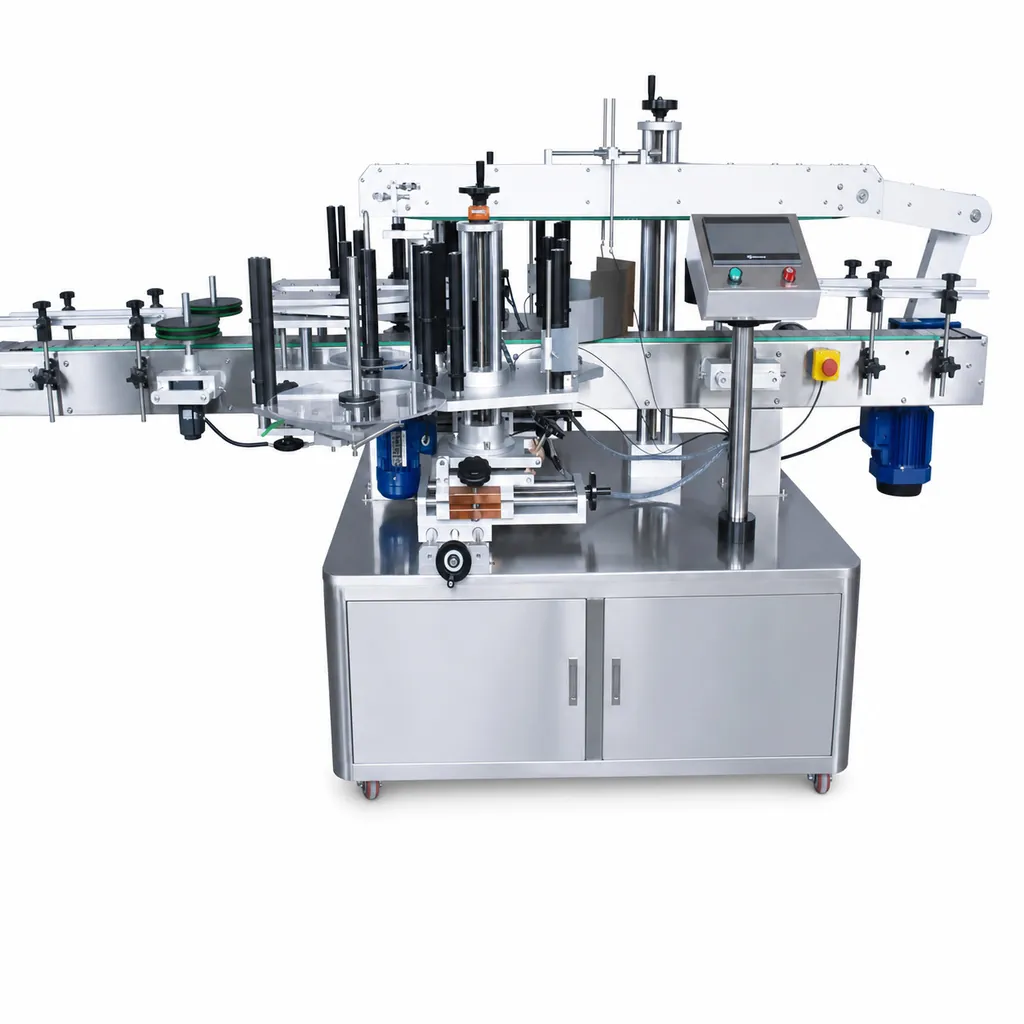
HC-160 is an automatic double-sided bottle labeling machine. Packaging: Flat Bottles; Square Bottles; Oval Bottles; Jars; Rigid Containers. Specifications include 3.5 kW / 110 V; 220 V; Customizable, 60-350 pcs/min, and 1 unit. Contact MUJIU to confirm the configuration for your application.
View details →
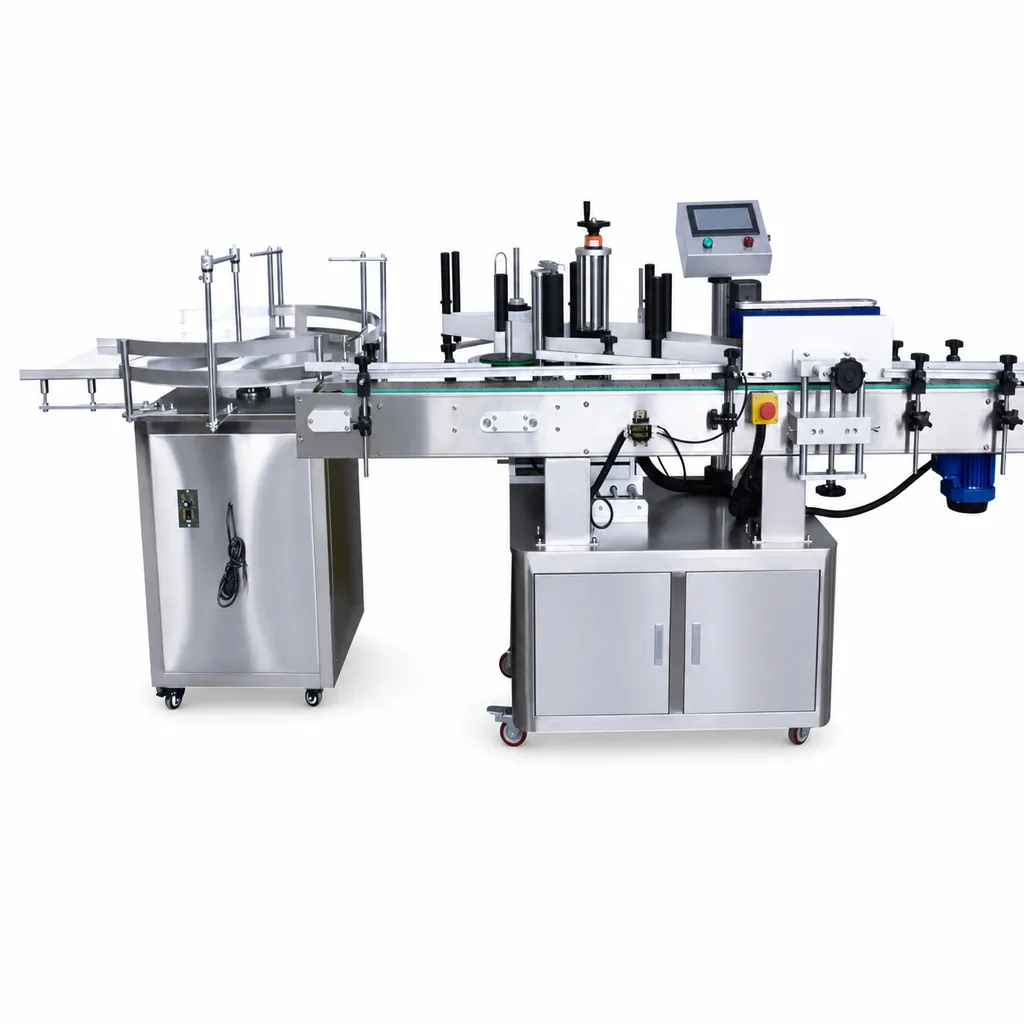
HC-50 is an automatic vertical round bottle labeling machine. Packaging: Bottles; Jars. Specifications include 1.5kW / 110 V; 220 V; Customizable, 20-200 pcs/min, and 1 unit. Contact MUJIU to confirm the configuration for your application.
View details →
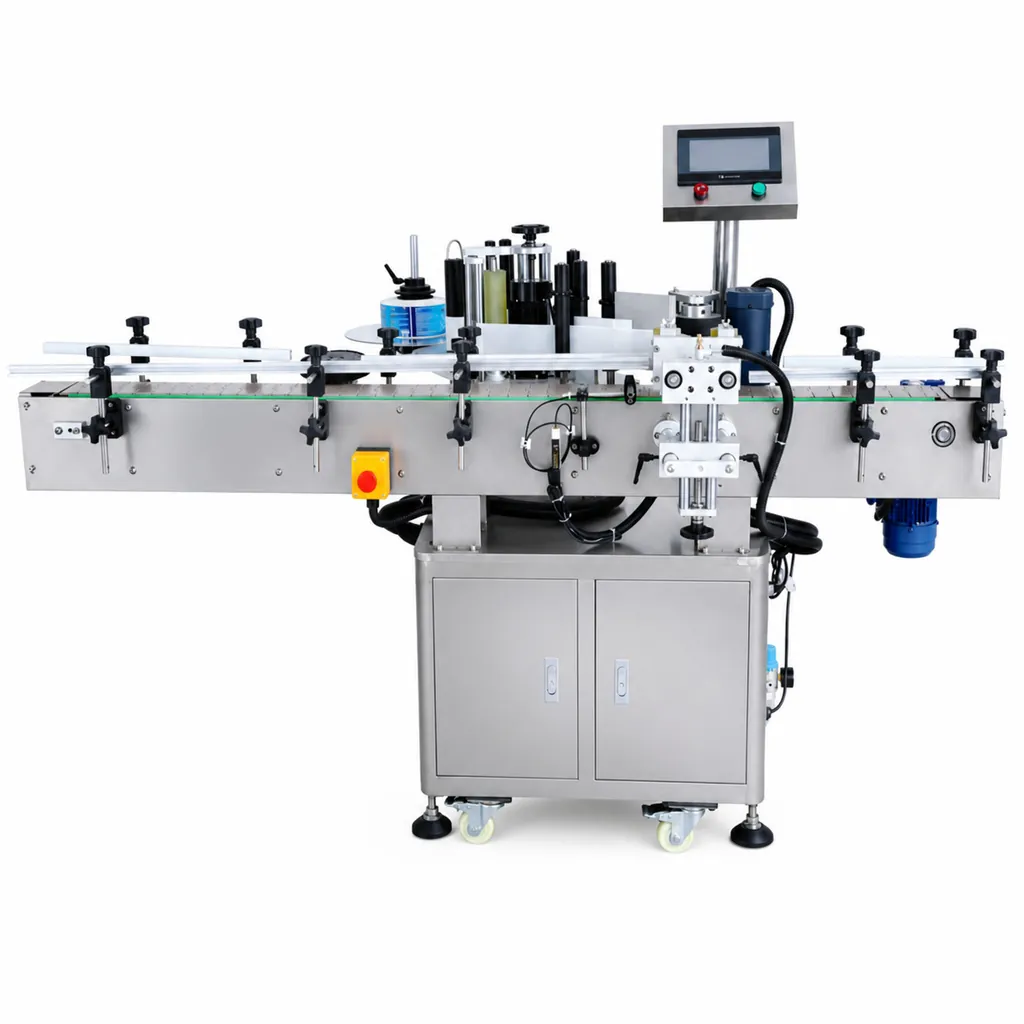
HC-70 is a vertical round bottle positioning labeling machine. Packaging: Bottles. Specifications include 1.5kW / 110 V; 220 V; Customizable, 25-50 pcs/min, and 1 unit. Contact MUJIU to confirm the configuration for your application.
View details →
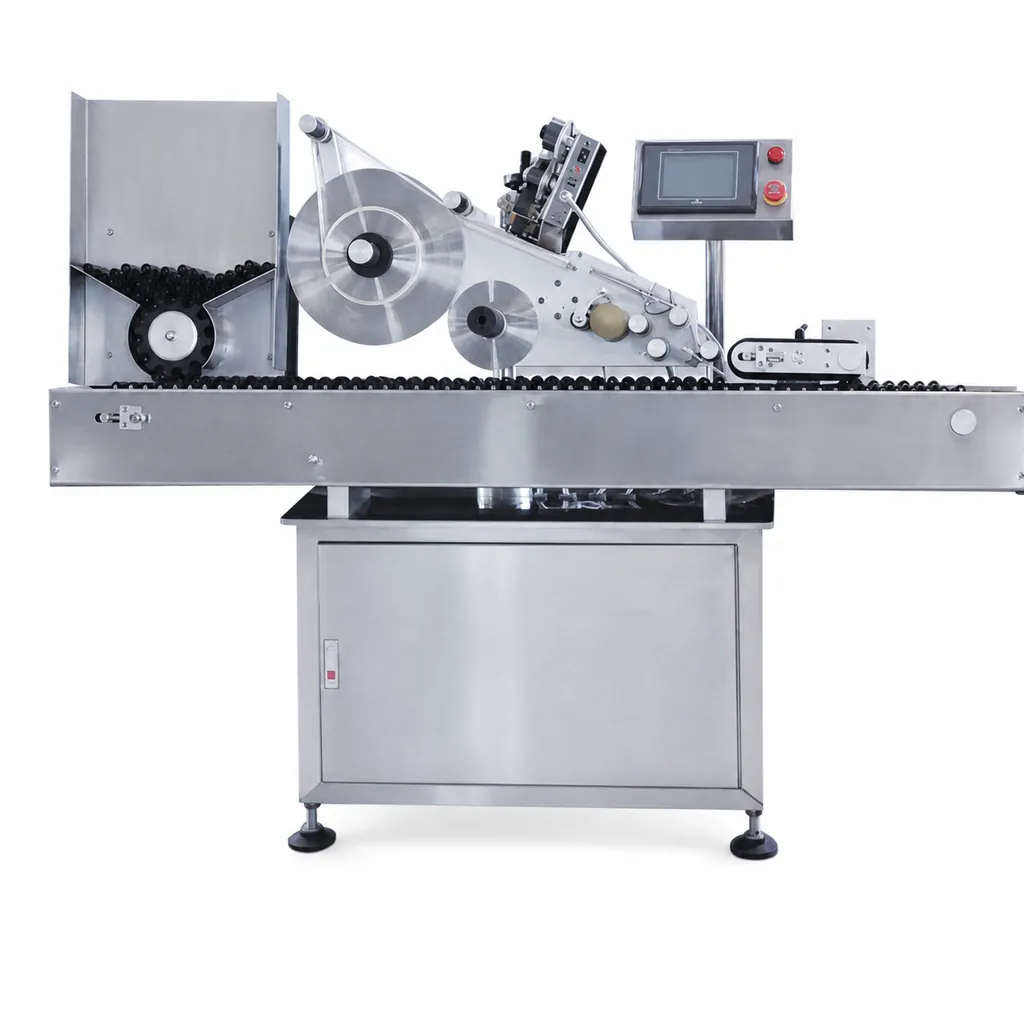
HC-80 is a horizontal round bottle labeling machine. Packaging: Bottles. Specifications include 1.5 kW / 220 V; 110 V; Customizable, 50-300pcs/min, and 1 unit. Contact MUJIU to confirm the configuration for your application.
View details →
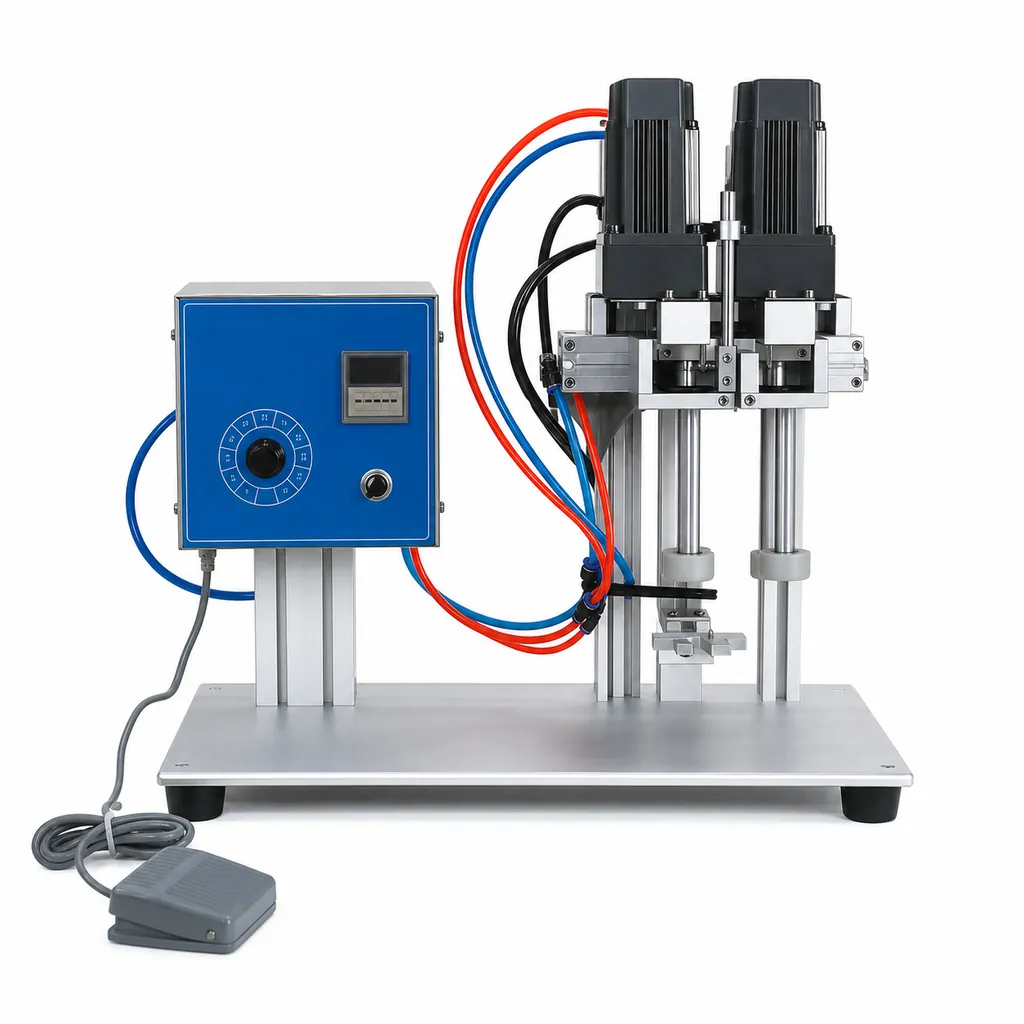
HCSGJ-6100 is a semi-automatic desktop capping machine. Packaging: Bottles; Small bottles; Cosmetic bottles; Laboratory bottles; Screw-cap bottles. Specifications include 90W / 220 V; 110 V; Customizable, Confirm target output and acceptance conditions for final configuration., and 1 unit. Contact MUJIU to confirm the configuration for your application.
View details →
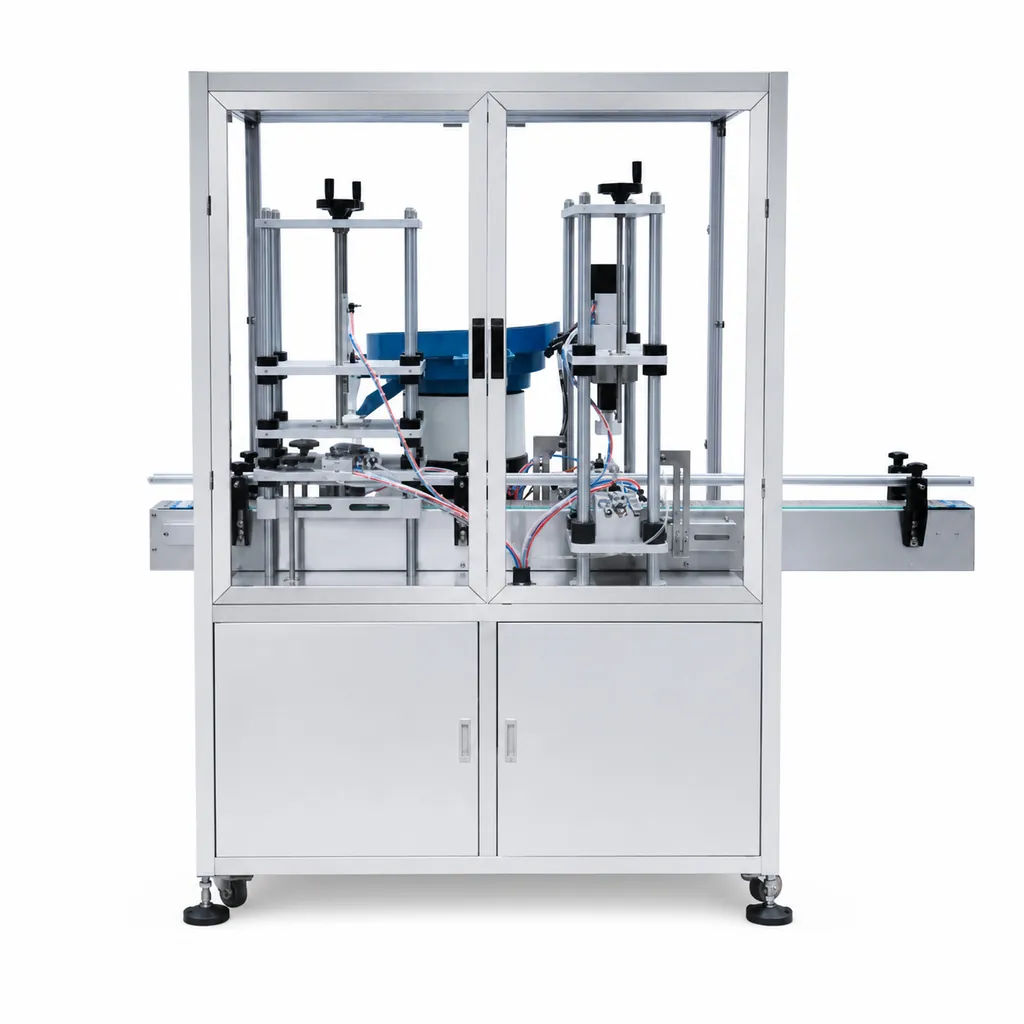
MJ-LC-60 is an automatic dual-head linear capping machine. Packaging: Bottles; Cans; Jars. Specifications include 0.75kW / 220 V; 110 V; Customizable, Confirm target output and acceptance conditions for final configuration., and 1 unit. Contact MUJIU to confirm the configuration for your application.
View details →
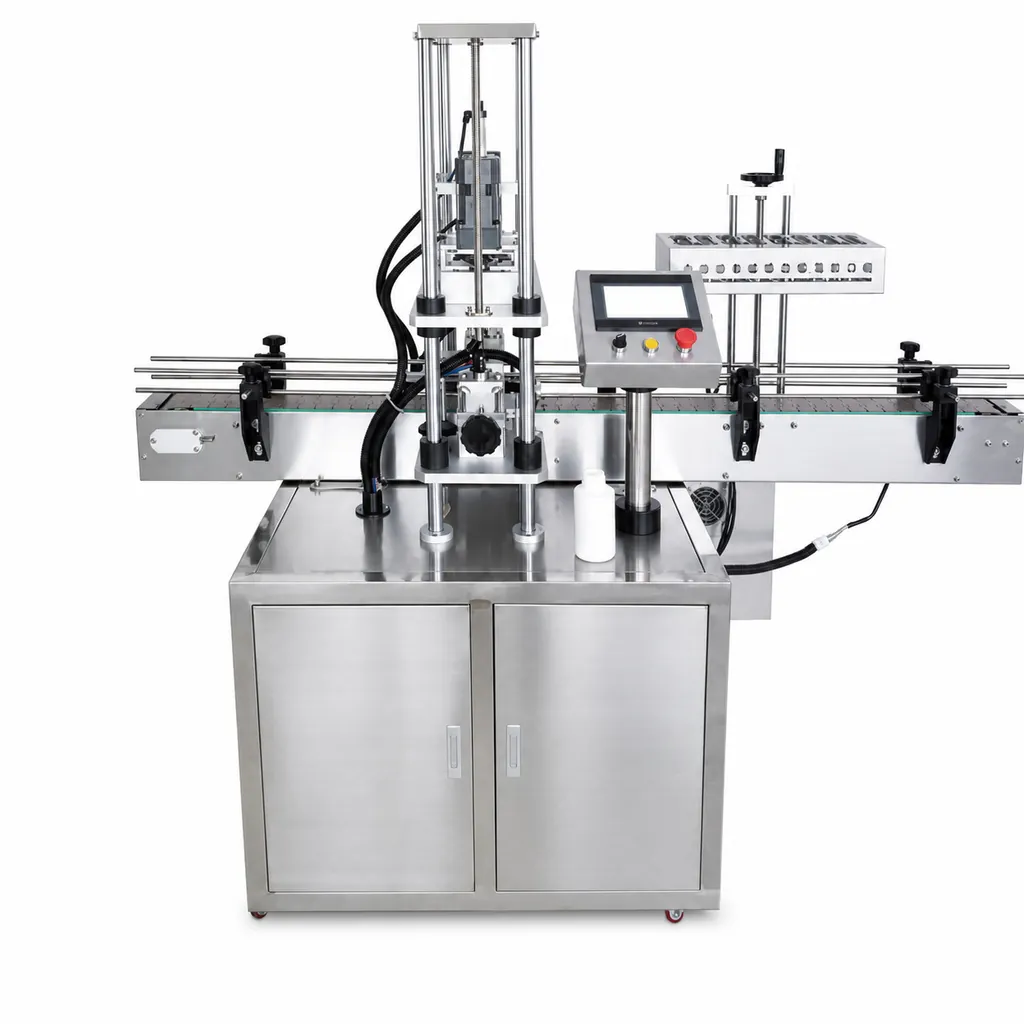
MJ-LPC-60 is an automatic pump and trigger capping machine. Packaging: Bottles; Pump Bottles; Spray Bottles; Trigger Bottles. Specifications include 0.8 kW / 220 V; 110 V; Customizable, Confirm target output and acceptance conditions for final configuration., and 1 unit. Contact MUJIU to confirm the configuration for your application.
View details →
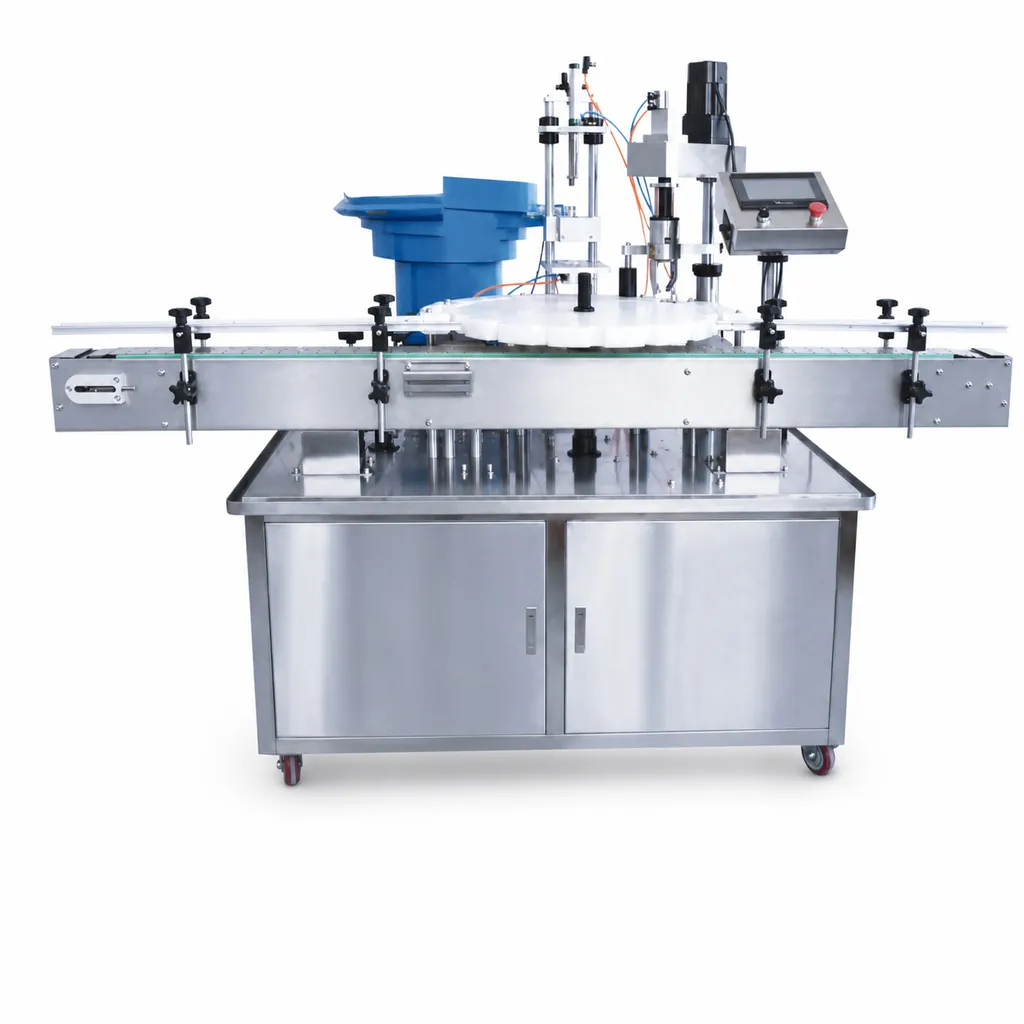
MJ-RC-60 is an automatic rotary capping machine. Packaging: Bottles; Cans; Jars. Specifications include 1.5 kW / 220 V; 110 V; Customizable, Confirm target output and acceptance conditions for final configuration., and 1 unit. Contact MUJIU to confirm the configuration for your application.
View details →
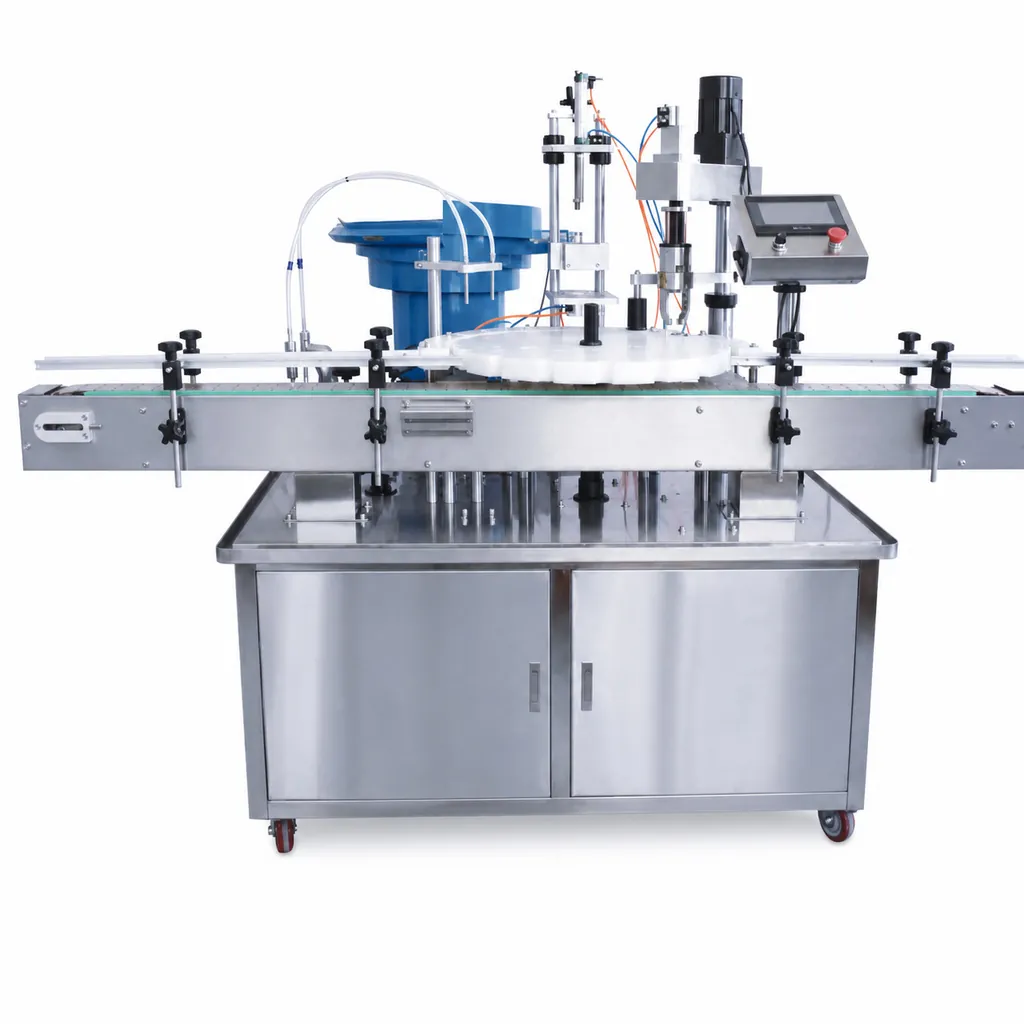
MJ-RFC-50 is a rotary small-bottle filling and capping machine. Packaging: Bottles; Vials; Small Bottles. Specifications include 1.5 kW / 220 V; 110 V; Customizable, Confirm target output and acceptance conditions for final configuration., and 1 unit. Contact MUJIU to confirm the configuration for your application.
View details →