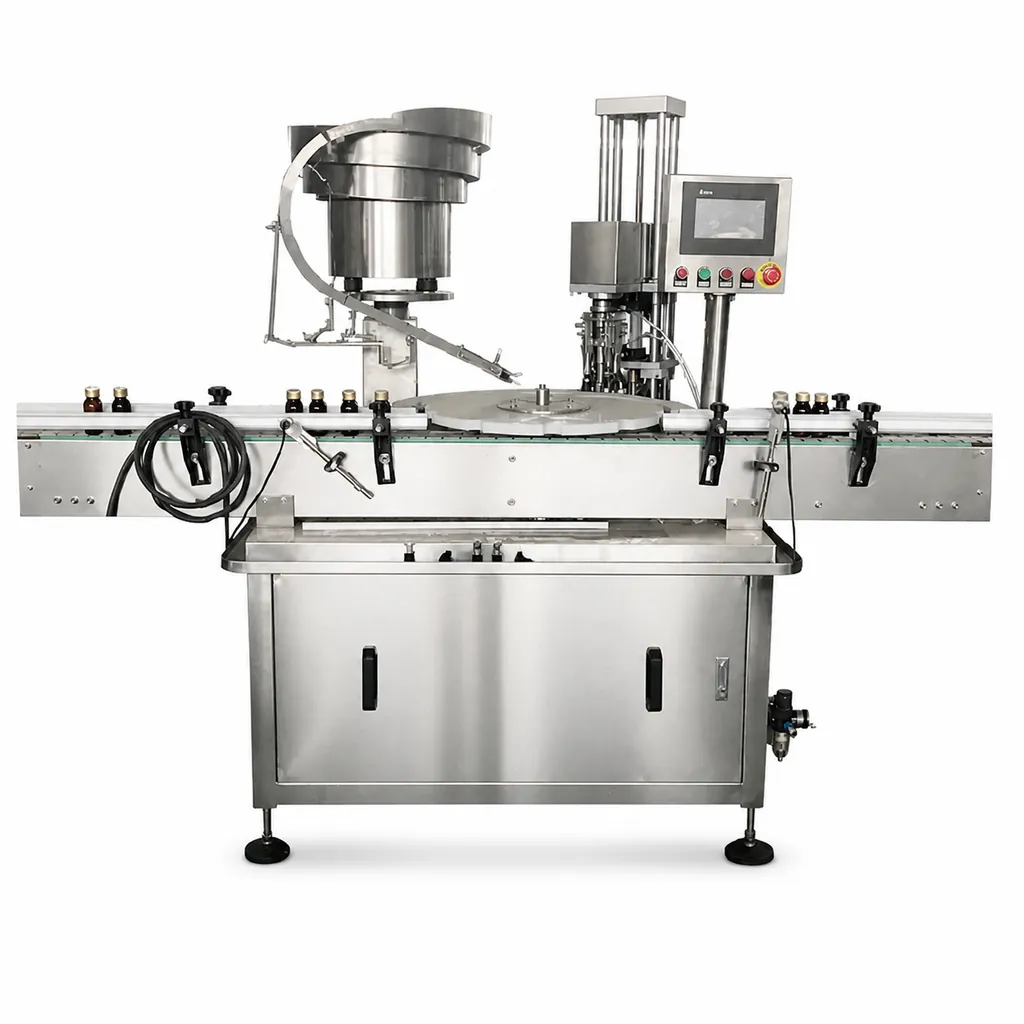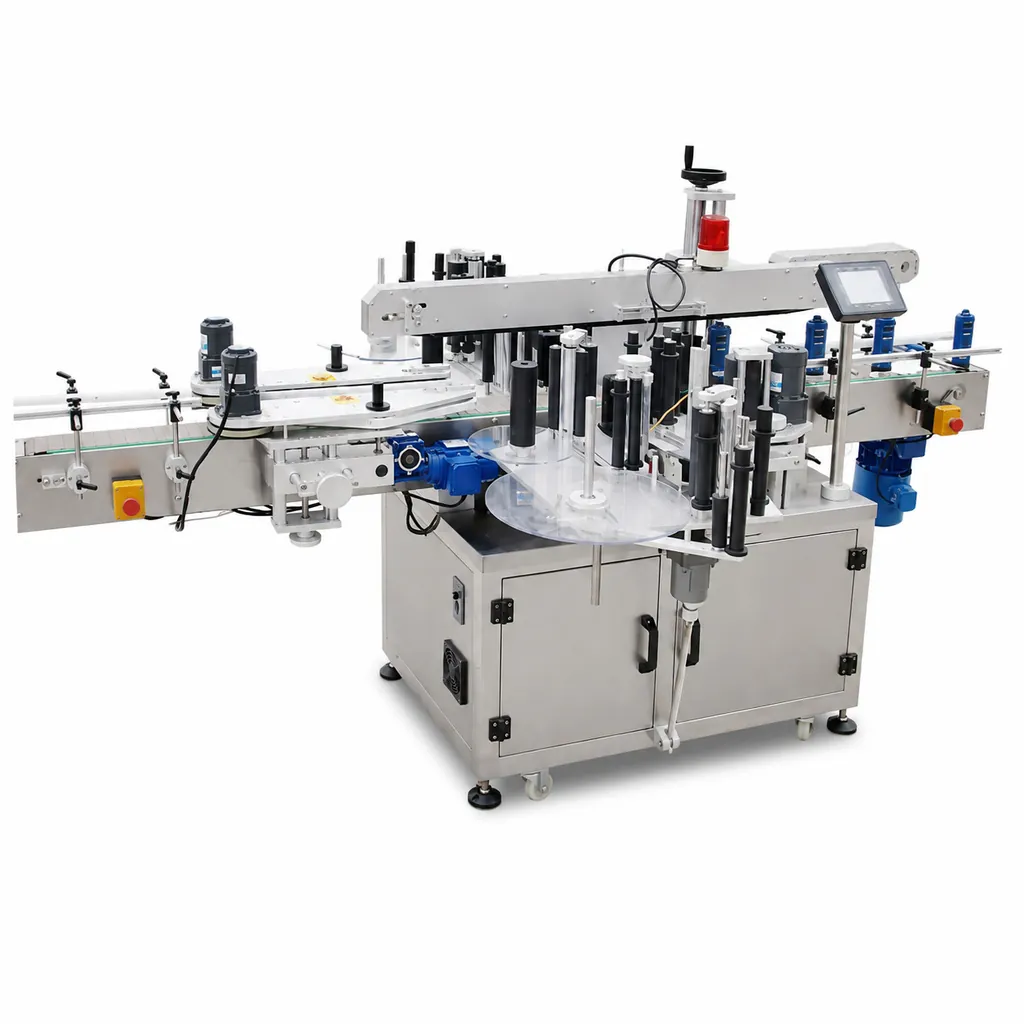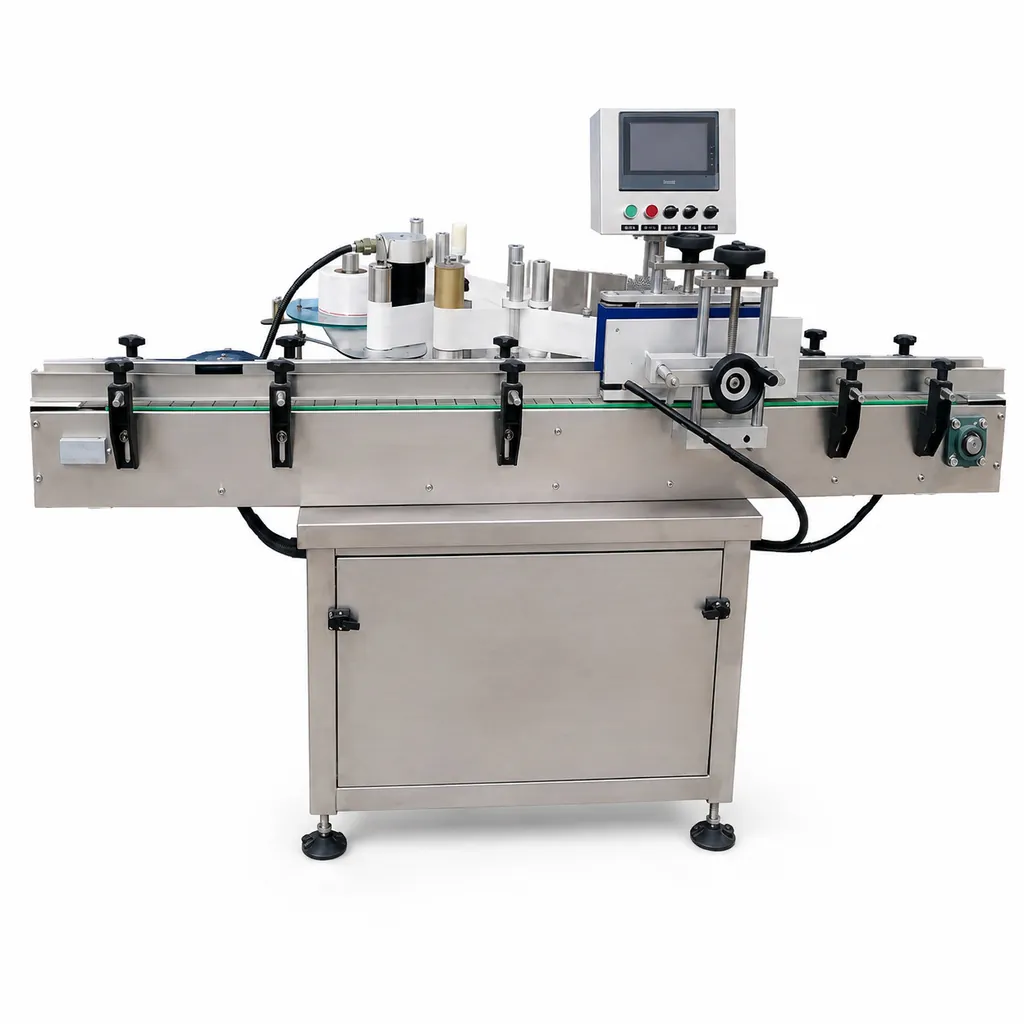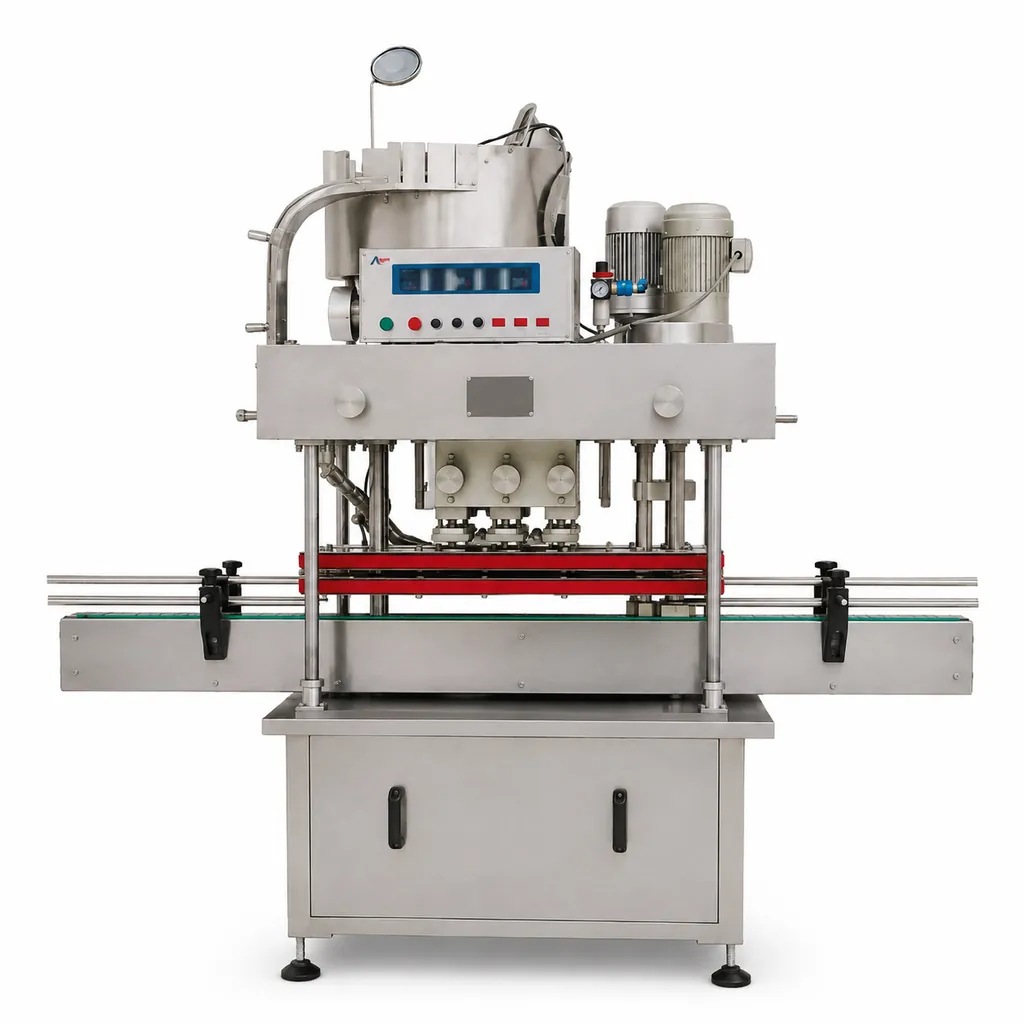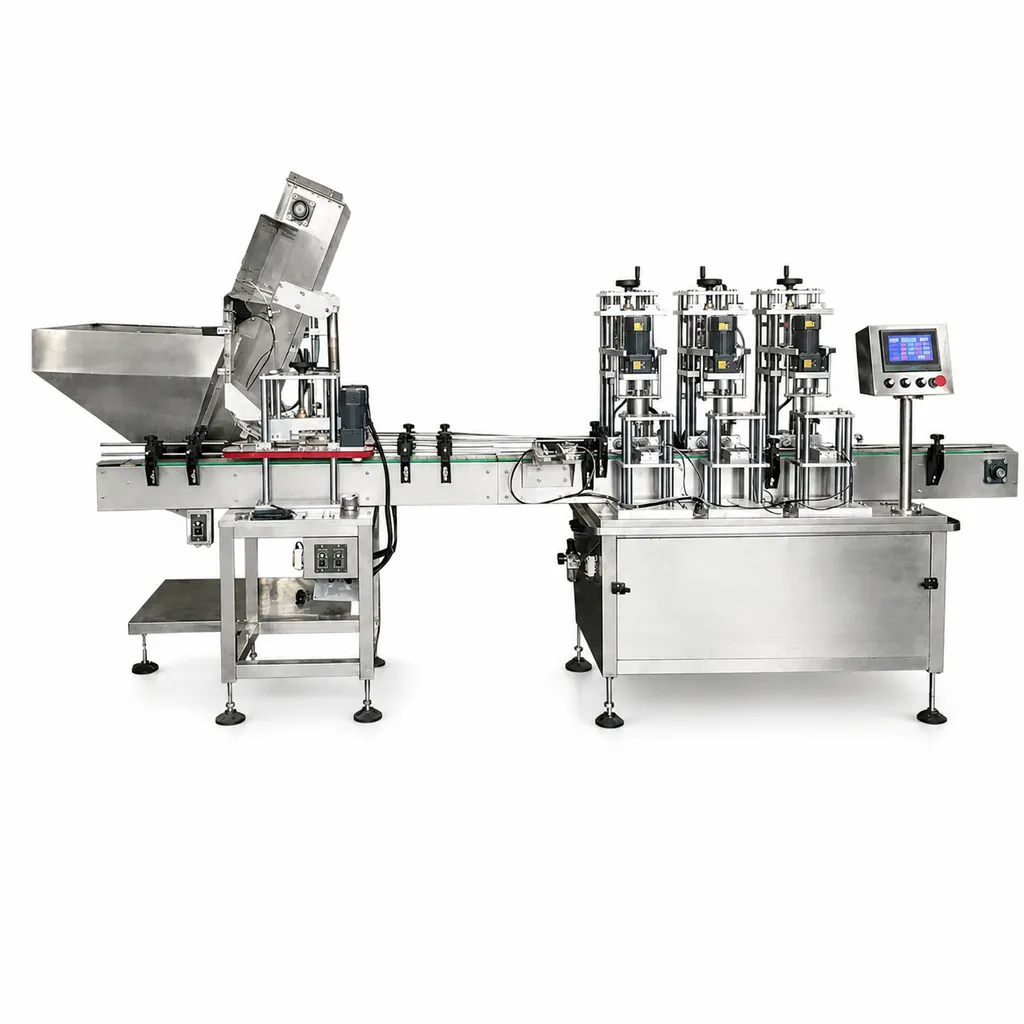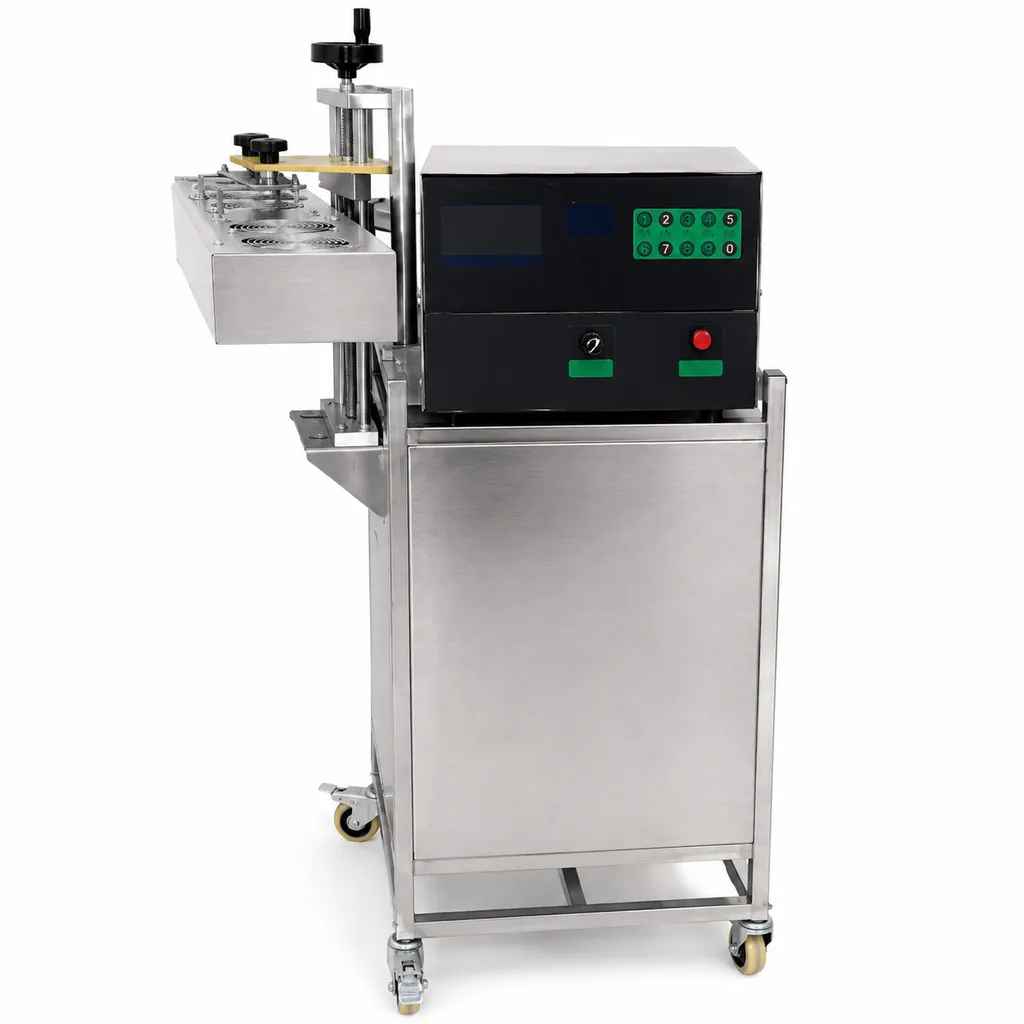
Equipment by application

Capping, Labeling & Sealing

Select capping, labeling and sealing equipment against real containers, closures, labels, speed and line interfaces.

Selection before specification

Choosing the Right Machine

Capping, labeling and sealing machines are selected against the real container, closure, label and upstream handling—not nominal diameter alone.

Where this equipment family fits

  • Standalone closure, label or seal steps around an existing process
  • Benchtop and compact automation for growing output
  • Modules that may later connect to filling and conveying

What we need to confirm

  1. Bottle or container dimensions, shape, stability and samples
  2. Cap, closure, label or seal material and dimensional range
  3. Required speed, orientation and operator involvement
  4. Upstream/downstream interface, power and compressed-air needs

Selection guide

Key Selection Factors

Share your material, package and output target to narrow the configuration.

01

Container handling

Provide real containers with dimensions, tolerances, shape, stability and orientation.

02

Closure or label

Record cap, plug, liner, label or seal material, dimensions and application direction.

03

Acceptance method

Define torque, seal, label position or visual acceptance and the sample method.

04

Adjacent stations

Confirm infeed, spacing, sensors, discharge, speed coordination and operator involvement.

Supply boundary

What remains conditional

  • Nominal diameter alone does not prove container, cap, label or seal compatibility.
  • Torque, seal and label-position results require agreed samples and acceptance criteria.
  • Feeding, sorting, conveying and inspection are separate modules unless quoted.

Common selection errors

Avoid a mismatched RFQ

  • Sending only a bottle volume instead of actual dimensions and samples.
  • Ignoring cap liner, thread, tamper band, label roll direction or container deformation.
  • Expecting one setup to cover future formats that were not tested.

Procurement FAQ

Questions to settle before a quotation.

Why are real container and closure samples required?

Small differences in shape, thread, liner, stiffness, label stock and stability can change feeding, torque, seal or label placement.

Can one machine cover multiple sizes?

A range can be considered only after each format, tooling, change parts and changeover method are confirmed. Untested future formats are not approved compatibility.

What should an acceptance test record?

Record the actual container and closure or label, setup, run window, rejects, torque or placement method, operator actions and any excluded conditions.

Configuration input

Send the material, package and accepted-output target.

Our team will use these details to recommend equipment for your application.